Choosing where to keep cryptocurrency is just as important as deciding what to buy. After purchasing Bitcoin, Ethereum or another digital asset, you need a secure way to control the private keys that authorize transactions.
Crypto wallets are commonly divided into two broad categories: hot wallets and cold wallets.
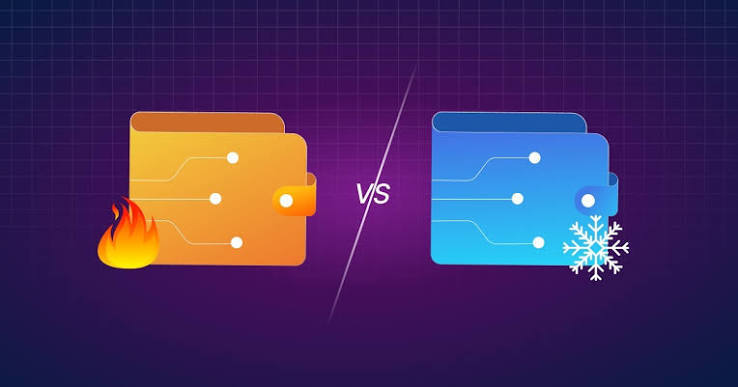
A hot wallet is connected to an internet-enabled environment and is designed for convenient access, while a cold wallet keeps private keys offline or isolated from ordinary internet-connected devices. Hot wallets are useful for regular transactions, whereas cold wallets are generally preferred for larger amounts intended for long-term storage.
The right choice depends on how frequently you use your cryptocurrency, the value being protected and your ability to manage wallet security properly.
What Is a Hot Wallet?
A hot wallet is a cryptocurrency wallet used through an internet-connected device such as a smartphone or computer.
Common forms include:
- Mobile wallets
- Desktop wallets
- Browser-extension wallets
- Some web-based wallet interfaces
Hot wallets are popular because they make cryptocurrency easy to access.
You can quickly send assets, receive payments, connect to decentralized applications or interact with blockchain services.
For someone regularly using crypto, this convenience can be valuable.
The trade-off is increased exposure to online threats.
Because the wallet operates in an internet-connected environment, malware, phishing attacks, malicious browser extensions or compromised devices can potentially create security risks.
What Is a Cold Wallet?
A cold wallet is designed to keep the private keys required to authorize cryptocurrency transactions offline or isolated from general-purpose internet-connected environments.
Hardware wallets are among the most common cold-storage solutions.
A hardware wallet is a dedicated physical device that stores or protects cryptographic keys and signs transactions without exposing those keys directly to the connected computer.
Some advanced setups can also use air-gapped signing methods where transaction information is transferred using methods such as QR codes or memory cards rather than a direct internet connection.
Cold storage is particularly useful for cryptocurrency that does not need to be moved frequently.
Hot Wallet vs Cold Wallet: What Is the Main Difference?
The biggest difference is internet exposure and convenience.
A hot wallet prioritizes accessibility.
A cold wallet prioritizes isolation of private keys.
Think about how people handle ordinary money.
You may keep a limited amount of cash in your physical wallet because it is convenient for everyday spending. You would probably not carry your entire long-term savings everywhere you go.
A similar idea can be applied to cryptocurrency.
Hot wallet: Convenient amount for regular use.
Cold wallet: Larger amount intended for longer-term storage.
The appropriate balance depends on the individual.
Are Hot Wallets Free?
Many software-based hot wallets can be downloaded and used without purchasing dedicated hardware.
However, using a free wallet does not mean cryptocurrency transactions themselves are free.
You may still pay:
- Blockchain network fees
- Gas fees
- Swap fees
- Application charges
- Other service costs
The wallet and the blockchain are separate systems.
For example, a wallet application may not charge you for installing the software, but sending ETH through Ethereum can still require a gas fee.
Do Cold Wallets Cost Money?
Hardware wallets generally require purchasing a physical device.
Prices vary according to features such as:
- Display type
- Supported cryptocurrencies
- Secure hardware
- Connectivity
- Backup options
- Touchscreen functionality
- Air-gapped capabilities
For someone holding only a very small amount of cryptocurrency, buying an expensive hardware device may not immediately make economic sense.
As holdings become more significant, the additional protection offered by dedicated hardware can become more valuable.
Which Wallet Is Safer?
For substantial long-term holdings, a properly configured cold-storage solution generally reduces exposure to many common online attacks.
However, cold wallets are not automatically safe in every situation.
Users can still lose cryptocurrency through:
- Exposing a recovery phrase
- Approving a malicious transaction
- Purchasing a tampered device
- Forgetting a passphrase
- Losing recovery information
- Sending funds to the wrong address
- Poor physical security
A hardware wallet cannot protect you if you voluntarily enter its recovery phrase into a phishing website.
Security therefore depends on both the wallet technology and the user’s behaviour.
What Is a Private Key?
A private key is cryptographic information that provides control over cryptocurrency associated with blockchain addresses.
The person who controls the required private keys can generally authorize transactions involving those assets.
This is why wallet security focuses heavily on protecting keys.
Your cryptocurrency itself does not physically sit inside your phone or hardware wallet.
The blockchain records the assets and transactions.
The wallet manages the cryptographic information that allows you to interact with those assets.
This distinction also explains why losing a hardware device does not necessarily mean losing your cryptocurrency.
What Is a Recovery Phrase?
Many self-custody wallets provide recovery information, commonly represented as a sequence of words.
This backup can be used to restore access if the original wallet or device is lost or damaged.
Anyone who obtains the recovery phrase may potentially gain control of the associated cryptocurrency.
It should therefore never be casually stored in places such as:
- Cloud notes
- Online documents
- Unsecured photographs
- Screenshots
You should also never give a recovery phrase to someone claiming to represent wallet customer support.
Legitimate support should not need your recovery phrase to troubleshoot an ordinary problem.
Are Exchange Wallets Hot Wallets?
Crypto exchanges maintain combinations of wallet infrastructure to manage customer assets, often including both hot and cold storage systems.
However, keeping cryptocurrency in an exchange account is different from using your own self-custody hot wallet.
When assets are held through a custodial exchange, the exchange generally controls the private keys.
You access your balance through your account credentials.
This introduces risks such as:
- Exchange insolvency
- Withdrawal suspension
- Account compromise
- Operational failures
- Platform restrictions
With a self-custody wallet, you control the keys, but you also become responsible for protecting and recovering them.
Neither approach eliminates risk; the responsibility simply changes.
When Should You Use a Hot Wallet?
A hot wallet can make sense when cryptocurrency needs to be accessed frequently.
Examples include:
- Making regular crypto payments
- Using decentralized applications
- Trading through decentralized exchanges
- Moving small amounts between addresses
- Experimenting with blockchain applications
A useful approach is to keep only the amount needed for normal activity in a hot wallet.
This limits the amount potentially exposed if the internet-connected wallet is compromised.
When Should You Use a Cold Wallet?
Cold storage becomes more attractive when cryptocurrency is intended to remain untouched for months or years.
It can be particularly useful when:
- You are investing for the long term.
- The amount has become financially significant.
- You rarely make transactions.
- You want to reduce exposure to online wallet attacks.
- You understand how to secure recovery information.
Someone holding long-term Bitcoin, for example, may prefer to keep the majority in cold storage while maintaining a much smaller hot-wallet balance for regular transactions.
Can You Use Both Hot and Cold Wallets?
Yes, and this can be a practical strategy.
Suppose someone owns ₹5 lakh worth of cryptocurrency but only needs approximately ₹10,000 for regular blockchain activity.
Rather than keeping the entire ₹5 lakh in an internet-connected wallet, the person could maintain a smaller operational balance in a hot wallet and store the remaining long-term holdings in cold storage.
This creates separate security zones.
If the hot wallet is compromised, the long-term holdings are not necessarily exposed.
However, managing multiple wallets also requires good organization and backup procedures.
Are Hardware Wallets Completely Offline?
The phrase “offline wallet” can sometimes cause confusion.
A hardware wallet may connect to a computer or smartphone when preparing transactions. The important security objective is that sensitive private keys remain protected within the hardware environment rather than being exposed to the connected computer.
Some devices also support more isolated workflows, such as QR-code or memory-card-based signing.
The security model therefore matters more than simply asking whether a cable or wireless connection exists.
What Happens if a Cold Wallet Is Lost?
Losing the physical hardware device does not automatically mean the cryptocurrency is gone.
The assets remain recorded on the blockchain.
If the recovery backup has been stored correctly, the wallet can generally be restored using a compatible device or wallet.
The bigger problem occurs if you lose:
the hardware wallet + the recovery information + any required passphrase.
Without the necessary recovery information, there may be no central company capable of restoring access.
This is one of the biggest differences between self-custody cryptocurrency and a conventional online account.
Should Beginners Start With a Hot or Cold Wallet?
A beginner handling a very small amount may find a reputable hot wallet easier for learning basic concepts such as:
- Receiving cryptocurrency
- Sending transactions
- Checking addresses
- Understanding network fees
- Using blockchain explorers
As holdings increase, learning how hardware wallets and cold storage work becomes more important.
Moving a large amount into cold storage before understanding recovery procedures can also create risk.
A beginner should understand the wallet first, perform small test transactions and verify the recovery process before relying on it for significant holdings.
Hot Wallet or Cold Wallet: Which Is Better?
Neither is universally better because they solve different problems.
A hot wallet is generally better for convenience and frequent transactions.
A cold wallet is generally better for protecting substantial cryptocurrency intended for long-term storage.
Many users can benefit from combining the two rather than choosing only one.
The important principle is to avoid exposing more cryptocurrency to online risks than necessary while keeping your security system simple enough to manage correctly.
For long-term holdings, protecting private keys and recovery information matters far more than simply purchasing the most expensive hardware wallet.
FAQs
Q1. Is a cold wallet safer than a hot wallet?
A. Cold storage generally reduces exposure to online attacks because private keys are kept offline or isolated from normal internet-connected environments. However, users can still lose funds through exposed recovery phrases, poor backups, malicious transactions or physical security failures.
Q2. Can a hot wallet be hacked?
A. Yes. Hot wallets can potentially be compromised through malware, phishing, malicious browser extensions, stolen credentials or vulnerabilities in connected devices. Good security practices can reduce these risks but cannot make them impossible.
Q3. Should I keep Bitcoin in a hot or cold wallet?
A. Bitcoin needed for frequent transactions can be kept in a hot wallet, while a hardware wallet or another properly managed cold-storage setup is generally more suitable for significant amounts intended for long-term holding.
Q4. What happens if my cold wallet breaks?
A. Your cryptocurrency remains on the blockchain. If you have securely retained the correct recovery information, you can generally restore access using compatible wallet software or another device. Losing both the wallet and all recovery information can result in permanent loss of access.