The qualities that make a car pleasant during a 10 km commute can feel very different after 500 km on a highway. On a long road trip, supportive seats begin to matter more than a giant touchscreen, a stable ride becomes more valuable than light city steering, and effortless overtaking can be more useful than a long feature list.
A good highway car should leave its occupants relatively fresh after several hours behind the wheel. High-speed stability, comfortable seats, predictable braking, sufficient engine performance, safety, luggage capacity and useful driving range all contribute to that experience. With those priorities in mind, these are 10 cars and SUVs worth considering for long highway trips in India.
1. Toyota Innova Hycross
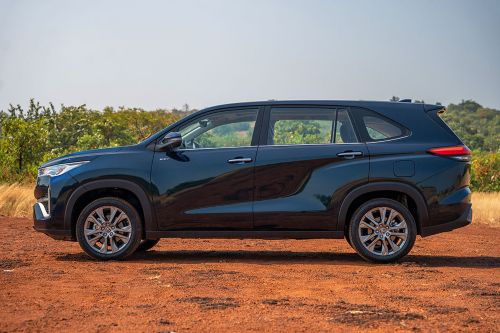
The Innova Hycross is one of the most natural choices for long-distance family travel.
Its 2,850 mm wheelbase and seven- or eight-seat configurations provide the space needed when several passengers are travelling together. Toyota also equips higher variants with features such as powered second-row ottoman seats, reclining third-row seats and rear climate control.
The strong-hybrid version is particularly appealing for buyers who want a large family vehicle without accepting the fuel consumption normally associated with a big petrol MPV.
Best for: Long family road trips with multiple passengers.
2. Mahindra XUV700
The XUV700 works well for highway users who want stronger performance than a typical family crossover provides.
Its turbo-petrol and diesel engines offer useful overtaking ability, while the SUV’s road-focused setup makes it suitable for sustained highway cruising. Selected variants also provide ADAS functions that can add useful assistance during long journeys.
The XUV700 is particularly relevant for families that need three-row flexibility but still want an engaging driving experience.
Best for: Highway performance, technology and family touring.
3. Volkswagen Virtus
You do not need an SUV for serious highway travel. The Volkswagen Virtus is a good example of why a well-engineered sedan remains an excellent touring car.
Its engine range includes a 115 PS 1.0-litre TSI and a substantially stronger 150 PS, 250 Nm 1.5-litre TSI. The latter is especially suited to drivers who value effortless acceleration and overtaking performance.
The Virtus also provides a 521-litre boot, 179 mm of unladen ground clearance and a 2,651 mm wheelbase.
Best for: Enthusiastic drivers wanting a fast, spacious highway sedan.
4. Skoda Slavia
The Slavia follows a similar highway-friendly formula to the Virtus.
Its turbo-petrol engines provide useful mid-range performance for overtaking, while the long wheelbase and spacious cabin make extended journeys comfortable for passengers as well.
Another major advantage is luggage capacity. A large sedan boot allows a family to carry several suitcases without stacking luggage around passengers.
For someone who mostly travels on paved highways, the Slavia can be a more enjoyable and efficient touring solution than purchasing an SUV simply for its body style.
Best for: Long-distance sedan buyers who enjoy driving.
5. Hyundai Creta
The Creta’s strength is not one individual specification but its ability to satisfy a broad range of highway travellers.
Multiple powertrain choices allow buyers to prioritise efficiency, relaxed cruising or stronger performance. The elevated seating position also provides the commanding view many Indian drivers prefer on long journeys.
Its five-seat cabin and luggage space are better suited to a small family than a three-row SUV, but that can actually be an advantage when all five occupants need reasonable comfort rather than squeezing additional passengers into a small third row.
Best for: Families wanting an easy-to-live-with midsize SUV.
6. Tata Safari
The Safari makes more sense when the highway trip involves a larger family and plenty of luggage.
Its substantial dimensions, three-row layout and diesel powertrain suit long-distance touring, while its SUV stance is useful when a road trip includes poorly surfaced stretches after leaving the expressway.
The Safari is also among the modern vehicles offering driver-assistance technology on selected variants. ADAS is becoming increasingly common in India, although such systems should always be treated as driver assistance rather than autonomous driving.
Best for: Large families travelling long distances.
7. Mahindra Scorpio-N
Not every highway journey stays on smooth tarmac.
If your long trips frequently lead to mountain roads, villages, construction zones or broken surfaces, the Scorpio-N offers capabilities that road-focused sedans cannot. Strong petrol and diesel engines also mean a fully loaded vehicle has sufficient performance for highway travel.
Its body-on-frame construction gives it a distinctly rugged character, although buyers prioritising purely smooth-road comfort may prefer something like the Innova Hycross.
Best for: Long highway journeys that regularly include difficult roads.
8. Kia Carens Clavis
For families, seat comfort and cabin usability can be more important on an eight-hour journey than outright acceleration.
The Carens Clavis is designed around three-row passenger use, making it particularly useful when six or seven people regularly travel together. Flexible rear seating and dedicated rear AC arrangements also help during long summer journeys.
Its advantage over many three-row SUVs is packaging: instead of treating the last row as an occasional addition, the vehicle’s MPV-like proportions focus more heavily on passenger accommodation.
Best for: Large families prioritising cabin practicality.
9. Honda City
The Honda City remains a strong long-distance option for buyers who prefer a comfortable sedan.
Its naturally aspirated petrol engine provides smooth, predictable performance, while the CVT version is useful for journeys that involve both highways and congested traffic at either end.
The City’s rear-seat comfort is another important advantage for family travel. A generous 506-litre luggage compartment means passengers do not have to sacrifice cabin space to carry holiday luggage.
Best for: Comfortable and relaxed five-person highway travel.
10. Toyota Fortuner
The Fortuner is excessive if your only requirement is cruising along smooth expressways, but its strengths become clear on demanding long-distance journeys.
It combines a large cabin, powerful diesel availability, body-on-frame construction and the option of four-wheel-drive hardware. This makes it especially relevant for road trips where the route may extend from high-speed highways into remote or challenging terrain.
Its purchase and running costs are substantially higher than most cars on this list, so it makes the most sense when buyers genuinely need its size and ruggedness.
Best for: Long-distance touring involving rough terrain and remote destinations.
What Makes a Car Good for Highway Driving?
Do not judge a highway car purely by horsepower. A vehicle can have a powerful engine and still become tiring after several hours.
Before buying, pay attention to:
- Seat support: A comfortable 20-minute test drive does not guarantee comfort after five hours.
- High-speed stability: The car should feel predictable and settled rather than nervous as speed increases.
- Overtaking performance: Strong mid-range acceleration helps when passing slower traffic safely.
- Braking: Predictable braking performance is especially important with passengers and luggage.
- Safety: ESC, airbags, effective seat belts and strong crash protection should receive priority.
- Tyres: Correct tyre pressure and healthy tread are critical before long journeys.
- Boot capacity: Passenger comfort suffers quickly when luggage has to enter the cabin.
- Fuel range: A good combination of efficiency and tank capacity reduces unnecessary fuel stops.
- Cruise control: Particularly useful on long, relatively open expressways.
Driver-assistance systems such as adaptive cruise control can reduce workload in suitable conditions, but the driver must remain attentive and in control at all times.
Sedan or SUV: Which Is Better for Long Trips?
For predominantly paved highways, a good sedan can be an excellent choice. Cars such as the Virtus offer strong performance, aerodynamic efficiency and substantial luggage capacity—the Virtus, for example, has a 521-litre boot and certified fuel-efficiency figures ranging up to around 20 km/l depending on powertrain.
SUVs become more attractive when journeys involve broken roads, additional passengers or a preference for a higher seating position. Three-row models also offer greater seating flexibility.
MPVs such as the Innova Hycross take a different approach by prioritising passenger comfort and space. Its 2,850 mm wheelbase, seven/eight-seat options and 52-litre fuel tank demonstrate its focus on family touring.
The right body style therefore depends on who is travelling and where the journey goes, rather than which category looks more adventurous.
FAQs
Q1. Which car is best for long highway trips with a family?
A: The Toyota Innova Hycross is particularly well suited to long family journeys because of its passenger space and flexible seating. The XUV700, Safari and Carens Clavis are also strong alternatives depending on budget and seating requirements.
Q2. Are sedans good for long highway journeys?
A: Yes. A well-engineered sedan can provide excellent stability, efficiency and luggage capacity. The Volkswagen Virtus, for example, offers a 521-litre boot, while its 1.5 TSI produces 150 PS and 250 Nm.
Q3. Is cruise control useful on Indian highways?
A: Yes, particularly on long expressway sections where traffic conditions permit maintaining a steady speed. It can reduce repetitive accelerator input, but the driver must remain attentive and ready to intervene.
Q4. What should I check before taking my car on a long road trip?
A: Check tyre condition and pressure, spare tyre, brakes, engine oil, coolant, lights and windshield-washer fluid. Carry essential documents and plan fuel or charging stops in advance. If the vehicle is due for scheduled maintenance, completing it before a major journey is preferable to postponing it until afterward.