The roof is the most critical protector of your home. In India, it shields your family from scorching summer heat, heavy monsoon rains, dust storms, and chilly winters. Yet, many homeowners neglect roof maintenance until visible damage appears inside the house. A leaking or weakened roof can cause extensive interior damage, mold growth, electrical hazards, and structural issues that cost lakhs to repair. Early detection can save you significant money and stress.
Here are the 5 most important signs that indicate your roof needs immediate attention, along with practical advice tailored for Indian homes.
1. Water Stains or Damp Patches on Ceilings and Walls
One of the earliest and most obvious signs of roof trouble is water stains on interior ceilings or upper walls. These yellowish or brownish patches often appear after heavy rains and may be accompanied by a musty smell.
- Why it happens: Rainwater finds its way through cracked tiles, damaged waterproofing, or clogged gutters and seeps into the ceiling. In older Indian homes with flat roofs, this is extremely common due to ponding of water.
- What to do: Do not simply repaint the ceiling. Trace the source from the top — inspect the roof directly above the stain. Hire a professional to check for hidden leaks in the waterproofing layer. Addressing the root cause early prevents mold growth and further damage.
2. Missing, Cracked, or Curled Tiles/Shingles
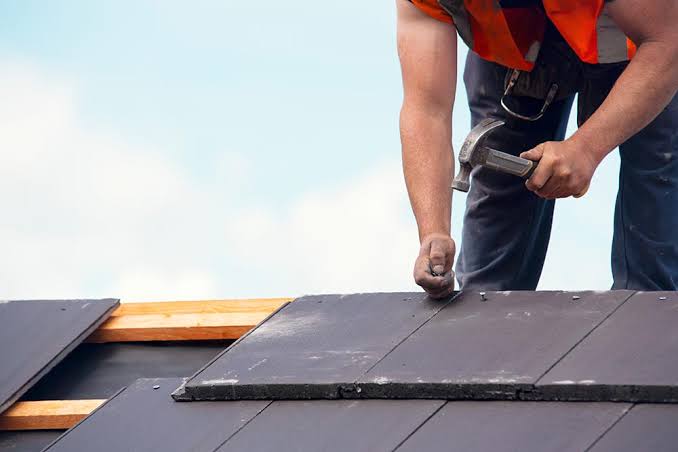
Physically inspect your roof after every major storm. Look for missing, broken, cracked, or curled-up tiles (in traditional roofs) or sheets (in metal or asbestos roofs).
- Why it matters in India: High winds during pre-monsoon storms, heavy rainfall, and extreme temperature fluctuations cause tiles to loosen or crack. In coastal areas, salt-laden air accelerates corrosion of metal sheets.
- Action: Replace damaged tiles immediately. For large-scale damage, consider full re-roofing or applying a fresh waterproofing membrane. Regular inspection twice a year (before and after monsoon) is highly recommended.
3. Sagging or Uneven Roof Line
A sagging roof is a serious structural warning sign. If you notice the roofline dipping or walls appearing bowed, it indicates weakened support beams or rafters, often due to prolonged water exposure or termite damage.
- Risk: This can lead to sudden collapse if ignored, especially during heavy rains. In independent houses with wooden roofs, termites are a major culprit.
- Solution: Call a structural engineer or experienced contractor immediately. Do not delay — this is not a DIY issue. Reinforce or replace damaged rafters and address the moisture source simultaneously.
4. Granules in Gutters or Excessive Debris
If you notice fine granules (from asphalt shingles) or large amounts of debris collecting in your gutters and downpipes, it signals that your roof covering is breaking down.
- Why it happens: Aging tiles or shingles shed material over time. In India, this is accelerated by intense UV exposure and monsoon winds.
- What to check: Clean gutters regularly. If you see excessive granules, schedule a professional roof inspection. This is often an early indicator that your roof covering needs replacement within the next 1–2 years.
5. Increased Energy Bills or Poor Insulation
If your electricity bills spike during summer despite regular AC servicing, a failing roof could be the culprit. Damaged or missing insulation allows heat to enter easily, forcing cooling systems to work harder.
- Additional signs: Excessive heat in top-floor rooms, ice dams in colder regions (though rare), or visible light coming through the roof from the attic.
- Fix: Improve roof insulation during repair work. Reflective cool roof coatings can reduce indoor temperatures by 3–5°C and lower cooling costs significantly.
Additional Warning Signs
- Mold or mildew growth on walls near the ceiling.
- Persistent musty odors inside the house.
- Unexplained dampness in the attic or false ceiling.
Prevention Tips for Indian Homeowners
- Inspect your roof at least twice a year.
- Apply fresh waterproofing every 3–4 years.
- Keep gutters and drainage systems clean.
- Trim overhanging tree branches.
- Choose quality materials during installation or repair.
Conclusion
Your roof works silently day and night to protect your family and belongings. Ignoring early warning signs can turn minor issues into major financial burdens. By staying vigilant and addressing the five key signs promptly, you can extend your roof’s lifespan, maintain a healthy home, and avoid emergency repairs during the monsoon.
Make roof inspection a part of your seasonal home maintenance routine. When in doubt, always consult experienced professionals rather than attempting risky DIY fixes. A well-maintained roof not only keeps your home dry and comfortable but also adds significant value to your property. Protect your roof today — it is the most important shield your home has.
FAQ
Q1: How often should I inspect my roof?
At least twice a year — once before monsoon and once after. Also inspect after any major storm.
Q2: Can I repair a leaking roof myself?
Small, accessible leaks can be temporarily patched, but professional repair is recommended for lasting results and safety.
Q3: What is the average lifespan of a roof in India?
A well-maintained concrete roof with good waterproofing lasts 20–30 years, while tiled or sheet roofs may need attention every 10–15 years.
Q4: How much does roof repair typically cost in India?
Minor repairs cost ₹10,000–50,000, while full waterproofing or re-roofing can range from ₹1–5 lakhs depending on size and extent of damage.
Q5: Is waterproofing necessary even if there is no visible leak?
Yes. Preventive waterproofing every 3–4 years prevents future problems and is much cheaper than reactive repairs.
Q6: What are the dangers of ignoring roof damage?
It can lead to structural weakening, mold growth, electrical hazards, and extensive interior damage costing much more to fix.
Q7: Should I choose cool roof coating?
Yes, especially in hot regions. It reflects sunlight, reduces indoor temperature, and extends the life of your roof covering.