Home security is a growing concern for Indian families. With rising urbanization, increasing apartment living, and frequent reports of burglaries, especially during festive seasons or when families travel, protecting your home has become essential. Indian households often include joint families, valuable gold and cash, and cultural items, making them attractive targets. At the same time, many families still rely on traditional methods while slowly adopting modern technology.
Creating a secure home doesn’t always require expensive systems. A combination of smart habits, basic upgrades, and awareness can significantly reduce risks. Here are the 5 best home security tips tailored for Indian families, blending practicality with cultural realities.
1. Strengthen Physical Entry Points
The foundation of home security lies in strong physical barriers.
- Install sturdy main doors with multi-point locking systems and peepholes. For apartments, ensure your flat has a strong door with a night latch.
- Use high-quality grills on windows and balconies. Avoid designs with wide gaps that allow easy climbing.
- Reinforce sliding doors and windows with additional locks or security bars.
- During festivals or long absences, install temporary door chain locks or additional padlocks.
Indian Context Tip: Many families keep extra cash and jewellery at home. Consider installing a heavy safe bolted to the floor or wall in a discreet location, preferably in the master bedroom.
2. Invest in Smart Security Technology
Modern technology has made home security more accessible and effective.
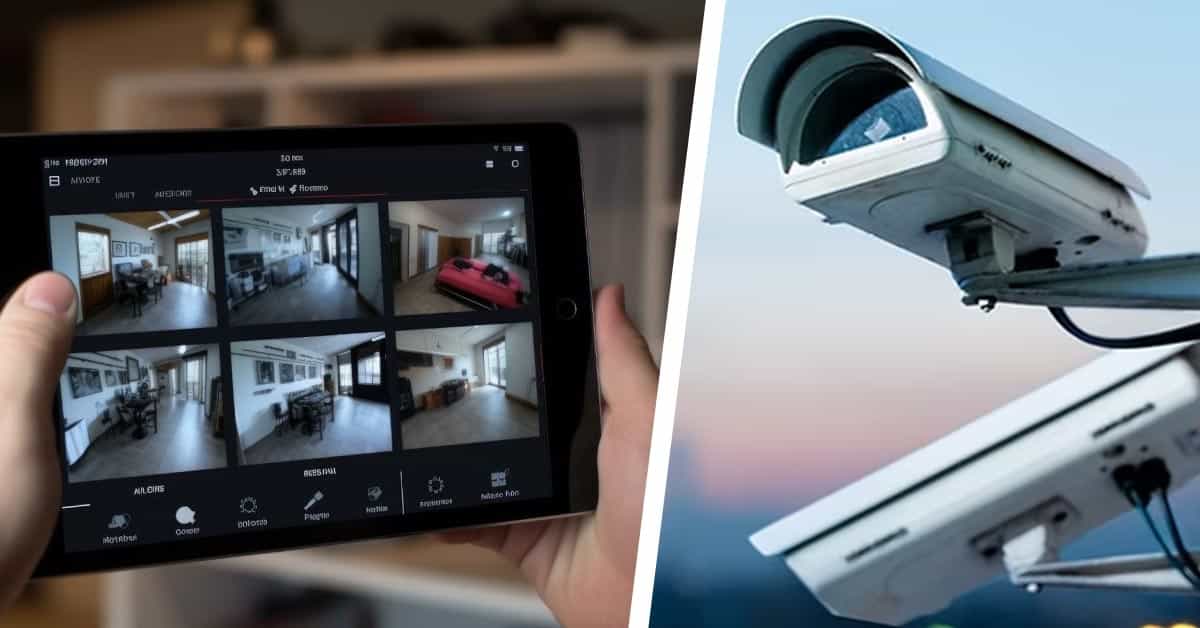
- Install CCTV cameras at the main entrance, balcony, and parking area. Wi-Fi-enabled cameras with night vision and mobile alerts are now affordable.
- Use smart door locks that allow keyless entry and activity logs via smartphone apps.
- Install a basic home alarm system with motion sensors and sirens.
- For apartments, coordinate with the society to install gate cameras and visitor management systems.
Budget-Friendly Option: Start with a few good-quality indoor/outdoor cameras (₹2,000–6,000 each) and a video doorbell. Many Indian brands offer reliable options with local service support.
3. Maintain Good Lighting and Visibility
A well-lit home is a strong deterrent against intruders.
- Install motion-sensor lights at entrances, staircases, and backyards.
- Keep the area around your home well-lit during night hours.
- Trim overgrown bushes and trees near windows and compound walls that can provide hiding spots.
- Use timer-based lights when the family is away to create the illusion of occupancy.
Festival Tip: During Diwali or other celebrations, maintain bright exterior lighting while ensuring it doesn’t create dark shadows where intruders can hide.
4. Build Community Awareness and Neighbourly Relations
In India, community support plays a huge role in security.
- Get to know your neighbours and form informal watch groups, especially in apartments or housing societies.
- Share travel plans with trusted neighbours and ask them to keep an eye on your home.
- Participate in Resident Welfare Association (RWA) security meetings and advocate for better society-level security.
- Teach children and domestic help about basic safety protocols — never open doors to strangers, verify delivery persons, etc.
Practical Step: Create a WhatsApp group for your floor or society for quick alerts about suspicious activities.
5. Prepare for Emergencies and Secure Valuables
Proactive preparation prevents panic during incidents.
- Keep emergency numbers (police, fire, ambulance, local security) saved and easily accessible.
- Install a small fire extinguisher in the kitchen and teach family members how to use it.
- Use bank lockers for important documents and excess jewellery.
- Install a hidden safe for daily cash and valuables.
- Have a family emergency plan including escape routes and meeting points.
Additional Advice:
- Avoid displaying expensive items visibly through windows.
- When going on vacation, use timer switches for lights and inform local police if needed.
- Regularly service locks, grills, and security systems.
- Consider home insurance that covers burglary and natural calamities.
Conclusion
Home security in India requires a balanced approach — combining traditional vigilance with modern technology. The five tips outlined above — strengthening entry points, adopting smart technology, ensuring good lighting, building community awareness, and preparing for emergencies — form a strong foundation for protecting your family and property. Start with basic physical upgrades and gradually incorporate technology as your budget allows.
Remember, the best security system is one that is used consistently. Involve every family member in security practices and review your home’s safety measures every six months. A secure home provides peace of mind, allowing you to focus on what truly matters — spending quality time with your loved ones. By being proactive today, you create a safer tomorrow for your family.
FAQ
Q1: What is the most important home security feature?
Strong entry doors with good locks and a peephole are fundamental. No technology can compensate for weak physical barriers.
Q2: Are CCTV cameras effective for Indian homes?
Yes, especially visible ones that act as deterrents. Combine them with motion alerts for maximum benefit.
Q3: How can I secure my home when going on vacation?
Inform neighbours, use timer lights, pause newspaper/milk delivery, and inform local police if required. Consider professional home watch services in major cities.
Q4: What should I do if I suspect a break-in?
Do not enter the house. Call the police immediately and wait for them to arrive. Document everything for insurance.
Q5: Is it safe to hire domestic help without background checks?
Always verify references and consider police verification where possible, especially in large cities.
Q6: How much should I invest in home security?
Start with ₹15,000–30,000 for basic upgrades (good locks, cameras, lights). Scale up based on your needs and risk level.
Q7: Are smart locks reliable in India?
Yes, from reputed brands. Choose models with both app and physical key options as backup for power/internet failures.