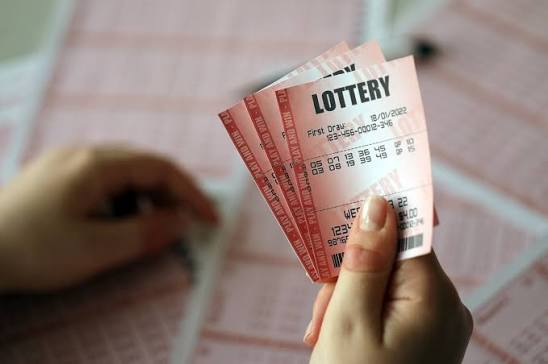
An online lottery may look like a simple digital business: users pay ₹50 for a ticket, software generates numbers, a random draw selects the winner and the operator distributes the prize money. But legally, adding a website, app or digital payment system does not turn a privately operated prize-by-chance scheme into an ordinary e-commerce activity.
Online lotteries can legally operate in India only within the framework of the Lotteries (Regulation) Act, 1998, the Lotteries (Regulation) Rules, 2010 and applicable State restrictions. A private individual or company cannot simply launch its own independent online lottery and sell tickets to the public.
The central legal distinction is between a lottery organised by a State Government under the statutory framework and a privately created lottery scheme.
What Is Legally Considered a Lottery?
The Lotteries (Regulation) Act, 1998 defines a lottery broadly as a scheme, by whatever name called, for distributing prizes by lot or chance to people participating in the chance of winning by purchasing tickets.
Three features are therefore especially important:
- Participants provide consideration by purchasing a chance or ticket;
- Prizes are available; and
- Winners are determined by lot or chance.
Changing the terminology does not necessarily change the legal character of the scheme.
For example, calling entries:
- Memberships;
- Lucky coupons;
- Digital tokens;
- Lucky numbers; or
- Prize passes
does not automatically prevent the arrangement from being treated as a lottery if its substance satisfies the legal definition.
Can a Private Company Start Its Own Online Lottery?
An ordinary private company cannot simply decide to organise an independent public lottery.
Section 3 of the Lotteries (Regulation) Act prohibits State Governments from organising, conducting or promoting lotteries except as permitted under Section 4.
Section 4 then lays down conditions for lawful State-organised lotteries.
Among other things, the framework requires the State Government to exercise control over crucial elements of the lottery, including ticketing, proceeds and draws.
A private business may potentially participate as an authorised distributor or selling agent within a lawful State lottery framework, but that is very different from independently creating its own lottery.
Company incorporation, GST registration or having a gaming website does not itself authorise a private lottery.
Are Online Lotteries Recognised Under Indian Law?
Yes.
The Lotteries (Regulation) Rules, 2010 expressly recognise online lotteries.
The Rules define concepts such as:
- Online lottery;
- Central computer server;
- Online lottery terminal;
- Distributor or selling agent; and
- Organising State.
An online lottery therefore is not automatically illegal merely because tickets or lottery transactions are handled electronically.
But the technology must operate within the regulated State-lottery structure.
The Rules contemplate the central computer infrastructure being under the direct control of the organising State for accepting, processing, storing and validating online lottery transactions and for managing and monitoring the system.
This is very different from a private operator setting up its own random-number generator and accepting money directly from the public.
Who Must Control the Lottery Draw?
The organising State plays the central role.
Under the Lotteries (Regulation) Act, the State Government itself must conduct the draws of its lotteries.
The regulatory framework is intended to prevent the State from simply lending its name to what is effectively an uncontrolled private lottery.
The Ministry of Home Affairs has also directed organising States to ensure the integrity of hardware and software used for online lottery operations and reiterated that lottery draws must take place under the direct supervision and control of the organising State.
Therefore, a private operator cannot make an unlawful lottery legal merely by claiming that its software produces fair random results.
Can a State-Appointed Distributor Sell Lottery Tickets?
The statutory framework permits an organising State to sell lottery tickets itself or through authorised distributors or selling agents.
The Lotteries (Regulation) Rules define a distributor or selling agent as an individual, firm, body corporate or other legal entity appointed by the organising State through an agreement to market and sell lotteries on its behalf.
This means private participation is possible within the authorised framework.
However, there is an important difference between:
- Authorised distributor: Markets or sells a lawful State-organised lottery under the applicable agreement and rules.
- Independent lottery operator: Creates its own lottery, collects ticket money, determines prizes and controls the draw.
The second model cannot simply rely on the legal status of State lotteries.
Can You Sell Lottery Tickets Throughout India?
Not automatically.
Section 5 of the Lotteries (Regulation) Act gives a State Government power to prohibit within that State the sale of tickets of lotteries organised, conducted or promoted by other States.
This makes geographic compliance particularly important for online businesses.
A website may technically be accessible throughout India, but accessibility does not mean tickets can lawfully be sold to residents of every State.
A compliant system may therefore need to control where tickets can legally be offered or purchased.
Does Selling Tickets Through a Website Avoid State Restrictions?
No.
The internet is a sales channel, not a legal exemption.
If lottery ticket sales are prohibited in a particular jurisdiction, the operator should not assume that accepting the order through:
- A website;
- Mobile application;
- WhatsApp;
- Telegram;
- Social media; or
- Another digital platform
makes the transaction lawful.
The Ministry of Home Affairs has specifically dealt with regulatory concerns involving online lotteries and the online sale of lottery tickets.
The legality depends on the underlying lottery and applicable law, not merely on how the customer places the order.
Can You Start a “Lucky Draw” Instead?
Calling something a lucky draw does not automatically remove it from lottery law.
The structure of the promotion matters.
Suppose you create a website where participants:
- Pay ₹100;
- Receive a random digital number;
- Wait for a computer-generated draw; and
- One participant wins ₹5 lakh.
Simply naming the platform “India Lucky Draw” rather than “India Online Lottery” does not necessarily change the substance of the scheme.
The legal definition specifically covers schemes “in whatever form and by whatever name called” where prizes are distributed by lot or chance to people purchasing chances.
What About a Free Promotional Lucky Draw?
A genuine promotional contest in which participants do not purchase a chance to win can require a different legal analysis from a paid lottery.
For example, a company may conduct a promotional giveaway where no separate consideration is charged for entry.
However, businesses should be cautious about artificially describing a paid lottery as a “free promotion.”
If customers are effectively paying for the chance to win, the substance of the arrangement can matter more than its marketing label.
Promotional contests can also raise separate issues involving consumer protection, advertising standards and State gaming laws.
Can You Run an Online Raffle for Charity?
Do not assume that a charitable purpose automatically makes a paid lottery or raffle lawful.
If participants purchase chances and prizes are distributed by chance, lottery or gaming legislation may still become relevant.
A charity, NGO, school or religious organisation should therefore not start selling online raffle tickets merely because the proceeds will be used for a good cause.
Any specific statutory permission or exemption must actually apply.
Is an Online Lottery the Same as Online Gaming?
Not necessarily.
Lottery, betting, gambling, games of skill and promotional contests can fall under different legal frameworks.
A lottery typically involves purchasing a chance to receive a prize determined by lot or chance.
An online game may involve skill, chance or a combination of both.
The legal classification depends on how the activity actually operates rather than what the website calls itself.
A business should therefore obtain a proper legal classification of its proposed model before accepting money from users.
Can You Operate a Foreign Online Lottery From India?
This should not be assumed to be lawful merely because the company’s server or registration is outside India.
A foreign website being accessible from India does not itself establish that selling lottery participation to Indian residents complies with Indian law.
Cross-border schemes can additionally involve:
- Foreign-exchange rules;
- Payment restrictions;
- State lottery and gaming laws;
- Tax requirements; and
- Consumer-protection concerns.
Similarly, registering a company outside India should not be treated as a shortcut for operating an otherwise prohibited lottery business for Indian customers.
Can You Use UPI to Collect Online Lottery Payments?
The availability of a payment method does not determine whether the underlying transaction is legal.
A successful:
- UPI payment;
- Bank transfer;
- Card payment; or
- Payment-gateway transaction
does not prove that the lottery itself is authorised.
Banks and payment intermediaries can also have separate compliance requirements concerning gambling, lottery and other regulated businesses.
The first question should therefore be whether the lottery is legally authorised—not whether a payment gateway is willing to process the transaction.
What Happens if an Illegal Lottery Is Operated?
The Lotteries (Regulation) Act provides penalties for persons acting as agents, promoters or traders in lotteries organised, conducted or promoted in contravention of the statutory framework.
The Central Government also has power to prohibit a lottery organised, conducted or promoted contrary to Section 4 or where its tickets are sold contrary to a State prohibition under Section 5.
Depending on the circumstances, other laws may also become relevant to fraudulent or unauthorised schemes.
Operating through the internet does not shield the organisers from legal responsibility.
What Should a Business Check Before Entering the Online Lottery Sector?
Before investing in an online lottery platform:
- Confirm that the underlying lottery is lawfully organised by a State.
- Verify the organising State’s current lottery rules.
- Obtain formal authorisation before acting as a distributor or selling agent.
- Check whether online lottery operations are permitted under the relevant scheme.
- Ensure the technology complies with applicable regulatory requirements.
- Confirm that the organising State retains the required control over the lottery.
- Check State-by-State restrictions on ticket sales.
- Do not accept purchases from prohibited jurisdictions.
- Verify tax and payment requirements.
- Do not disguise a paid lottery as a lucky draw or promotional contest.
- Obtain specific legal advice before launching a raffle or prize-by-chance scheme.
- Keep proper records of tickets, payments, prizes and authorised operations.
The important legal principle is that online lottery technology is recognised in India, but private persons do not have a general right to create and operate their own public lottery. A lawful online lottery must exist within the State-organised regulatory framework and must also respect restrictions imposed by other States where tickets are offered or sold.
FAQs
Q1. Can I start my own online lottery website in India?
A. Not as an ordinary independent private lottery business. Lawful lotteries operate within the State-organised framework established by the Lotteries (Regulation) Act and Rules. A private company may participate only in an appropriately authorised role.
Q2. Are all online lotteries illegal in India?
A. No. The Lotteries (Regulation) Rules, 2010 expressly recognise online lotteries. However, they must operate within the legally regulated State-lottery framework and comply with applicable State restrictions.
Q3. Can I run a paid lucky draw instead of calling it a lottery?
A. Changing the name does not necessarily change the legal position. If people purchase chances and prizes are distributed by lot or chance, the arrangement may satisfy the statutory definition of a lottery.
Q4. Can a legal State lottery sell tickets to customers in every Indian State?
A. Not automatically. Section 5 of the Lotteries (Regulation) Act permits a State to prohibit within its territory the sale of lottery tickets organised by other States. Online sellers therefore need to consider the law applicable at the customer’s location.