A regular sunroof gives the front passengers an opening above their heads. A panoramic sunroof changes the experience for much more of the cabin. Its larger glass area extends farther towards the rear, allowing significantly more daylight into the passenger compartment and creating an especially noticeable sense of openness for people sitting in the second row.
That experience has become increasingly accessible in India. Panoramic sunroofs that were once associated primarily with luxury vehicles can now be found in mainstream SUVs, three-row family cars and electric vehicles.
However, availability varies significantly by variant, and some models use a single-pane electric sunroof instead. Buyers should therefore confirm that the exact version they are considering genuinely includes a panoramic unit.
Here are 10 cars in India worth considering if a panoramic sunroof is an important feature.
1. Hyundai Creta
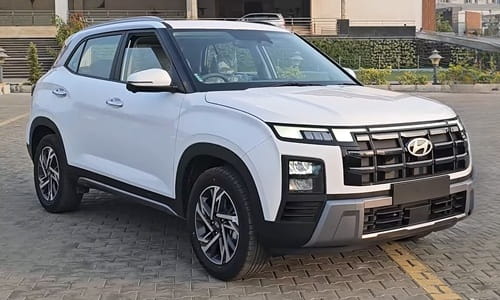
The Creta is one of the most recognisable mainstream SUVs in India to offer a panoramic sunroof.
Hyundai currently provides a voice-enabled smart panoramic sunroof on selected Creta variants, including several mid-to-higher configurations. The system can be operated using voice commands in compatible configurations.
The large glass area works particularly well in the Creta because the vehicle already has a reasonably spacious five-seat cabin. Rear passengers receive much more of the visual benefit than they would from a conventional front-only sunroof.
Its combination of petrol and diesel choices, automatic transmissions and family-friendly dimensions further strengthens its appeal.
Best for: Families wanting a well-rounded midsize SUV with a panoramic roof.
2. Kia Seltos
The latest Kia Seltos takes the premium-cabin approach even further.
Kia officially highlights a dual-pane panoramic sunroof, designed to provide a wide view and a greater sense of openness inside the cabin.
The Seltos is particularly attractive to buyers who enjoy technology. Along with the panoramic roof, the new generation offers features such as its Trinity Panoramic Display and advanced driver-assistance technology on suitable variants.
This makes the panoramic sunroof feel like part of a broader premium interior rather than an isolated feature.
Best for: Buyers wanting a technology-rich midsize SUV.
3. Hyundai Alcazar
A panoramic roof arguably makes even more sense in a three-row vehicle because more passengers can benefit from the additional light.
The Hyundai Alcazar offers a voice-enabled smart panoramic sunroof on selected configurations. Hyundai’s current variant information confirms that availability depends on trim and powertrain.
The Alcazar is available with six- and seven-seat arrangements, making it a more practical choice than a five-seat SUV for larger households.
For long family journeys, its combination of multiple seating rows, rear AC provisions and panoramic glass creates a noticeably more premium passenger experience.
Best for: Larger families wanting three-row practicality and premium features.
4. Kia Carens Clavis
The Carens Clavis is particularly interesting because its sunroof configuration depends on the powertrain.
Kia lists a dual-pane panoramic sunroof with the 1.5-litre turbo-petrol configuration, while certain diesel versions use a smaller Skylight electric sunroof.
That distinction is important for buyers specifically searching for a panoramic roof.
The Clavis also offers three-row seating and family-focused features such as roof-mounted rear AC vents, flexible second- and third-row seats and multiple charging ports.
Best for: Families wanting an MPV-style three-row cabin with a large sunroof.
5. Mahindra XUV700
The XUV700 combines a large cabin, powerful engines and a panoramic roof experience.
Mahindra calls its large roof opening the Skyroof, and it has been one of the XUV700’s most recognisable premium features since the SUV entered the Indian market.
Its large cabin is particularly well suited to this feature because the glass area contributes to a brighter atmosphere for passengers beyond the first row.
The XUV700 also makes sense for buyers who want stronger highway performance than many conventional family SUVs provide.
Best for: Highway-oriented families wanting performance and a spacious cabin.
6. Tata Harrier
The Harrier is another strong option for buyers wanting a large five-seat SUV with a panoramic sunroof.
The roof adds to the sense of space inside an already substantial cabin, especially for passengers sitting in the second row. On higher variants, it forms part of a much broader premium package that can include large displays, advanced driver-assistance technology and other comfort features.
The Harrier is especially relevant for buyers who do not need a third row but still want the road presence and cabin experience of a larger SUV.
Best for: Five-person families wanting a substantial premium SUV.
7. Tata Safari
The Safari takes much of the Harrier’s appeal and adds three-row seating.
That makes the panoramic sunroof particularly noticeable because a larger passenger compartment can otherwise feel more enclosed toward the rear.
For families travelling with children or regularly using the second and third rows, the additional daylight can make the cabin feel considerably airier during daytime journeys.
The Safari should therefore be considered not simply as a car with a large sunroof, but as a three-row family SUV where the feature complements an already spacious interior.
Best for: Large families wanting a panoramic-roof SUV.
8. Tata Curvv
The Tata Curvv offers panoramic-roof appeal in a more style-focused SUV package.
Its coupé-inspired roofline gives it a very different character from conventional upright SUVs such as the Creta and Harrier. A panoramic glass roof helps prevent the interior from feeling overly enclosed despite the more dramatic exterior profile.
For buyers who prioritise design and want something less conventional than a traditional box-shaped SUV, the Curvv is worth considering.
It is also available across different powertrain strategies, giving buyers flexibility depending on the version currently offered.
Best for: Style-conscious buyers wanting an SUV-coupé experience.
9. Hyundai Creta Electric
Going electric does not mean giving up the panoramic-roof experience.
Hyundai offers a voice-enabled panoramic sunroof with the Creta Electric, combining the familiar Creta cabin format with an electric drivetrain. Hyundai specifically identifies the electric model as one of its vehicles offering panoramic-roof technology.
This makes it particularly attractive to households that already like the Creta’s dimensions and practicality but want to move away from petrol or diesel.
The quietness of an EV also contributes to the premium cabin experience, especially during relaxed urban driving.
Best for: EV buyers wanting familiar SUV practicality and premium features.
10. Kia Carens Clavis EV
The Carens Clavis EV brings together three features that are still relatively unusual in combination: an electric powertrain, three-row family packaging and a panoramic roof.
Kia’s current specifications confirm a panoramic sunroof alongside features such as a 26.62-inch dual panoramic display panel, Level 2 ADAS and second-row captain-seat availability.
For a family interested in moving to an EV, the Clavis EV therefore offers considerably more than just battery-powered transportation.
Its panoramic roof is particularly appropriate for the long cabin because second-row passengers can enjoy much more of the open-roof experience.
Best for: Families wanting a feature-rich three-row electric vehicle.
Panoramic Sunroof vs Regular Sunroof
The difference is not simply whether the opening is bigger.
A conventional electric sunroof usually occupies an area primarily above the front seats. A panoramic system uses a much larger glass section extending farther toward the rear of the vehicle.
This creates several advantages:
- More natural light inside the cabin
- Greater sense of spaciousness
- Better experience for rear passengers
- More premium-looking interior
- Wider view of the sky
However, not every panoramic roof opens across its entire glass area. In many designs, only the front section opens while the rear glass remains fixed.
That is normal and should not be confused with a malfunction or incomplete panoramic system.
What Are the Disadvantages of a Panoramic Sunroof?
A large glass roof also introduces compromises that buyers should understand.
1. More Heat Inside the Cabin
India’s intense summer sunlight can significantly heat the glass. A good sunshade helps, but keeping it closed during extremely hot weather is often more comfortable.
2. Reduced Headroom
The mechanism, rails and sunshade have to fit somewhere. Depending on the vehicle’s design, a panoramic roof can slightly reduce headroom compared with a conventional metal roof.
Tall buyers should therefore sit in both front and rear seats before purchasing.
3. Additional Mechanical Complexity
A panoramic roof contains motors, seals, drainage channels, tracks and moving components.
These require proper maintenance. Blocked drainage channels or damaged seals can potentially cause water-related problems.
4. Higher Repair Cost
Large automotive glass panels and motorised roof mechanisms can be expensive to repair or replace after damage.
Insurance coverage is worth checking when purchasing a panoramic-roof vehicle.
Important Sunroof Safety Rules
The most important rule is simple: a sunroof is not a place for passengers to stand.
Children or adults should never put their heads or upper bodies through an open sunroof while the vehicle is moving.
A sudden brake application, pothole, collision, low branch or unexpected obstacle can cause severe injury.
Every passenger should remain properly seated and wear a seat belt while the vehicle is moving.
The safest way to enjoy a panoramic sunroof is exactly as it was designed: from inside the vehicle.
Should You Pay Extra for a Panoramic Sunroof?
That depends on the variant price difference.
If the panoramic roof comes as part of a useful upgrade that also adds features such as better safety equipment, a 360-degree camera, ventilated seats, improved headlights or ADAS, the higher variant may provide worthwhile overall value.
It becomes harder to justify when you are stretching your budget primarily for the sunroof.
Before deciding, consider:
- How often you will actually open it
- Whether rear passengers value the additional light
- Cabin headroom
- Quality of the sunshade
- Heat insulation
- Wind noise
- Warranty coverage
- Insurance cost
- Difference between the sunroof and non-sunroof variants
In India’s climate, many owners may keep the shade closed during the hottest part of the day but enjoy the panoramic glass during mornings, evenings, winters and hill-station trips.
FAQs
Q1. Which popular cars in India have a panoramic sunroof?
A: Popular choices include the Hyundai Creta and Alcazar, Kia Seltos and Carens Clavis, Mahindra XUV700, Tata Harrier and Safari, along with several newer electric vehicles. Hyundai officially confirms panoramic-roof availability on selected Creta and Alcazar variants.
Q2. Does the Kia Seltos have a panoramic sunroof?
A: Yes. The latest Kia Seltos offers a dual-pane panoramic sunroof on applicable variants.
Q3. Does every Kia Carens Clavis have a panoramic sunroof?
A: No. Kia’s specifications show that the panoramic arrangement depends on the configuration. The 1.5-litre turbo-petrol version can receive the dual-pane panoramic roof, while certain diesel configurations use a Skylight electric sunroof instead.
Q4. Is a panoramic sunroof useful in Indian weather?
A: It can make the cabin brighter and more enjoyable during pleasant weather, winters and evening drives. During intense summer heat, however, keeping the sunshade closed can help reduce solar heat entering the cabin. Buyers should consider it primarily a comfort and lifestyle feature rather than an essential requirement.