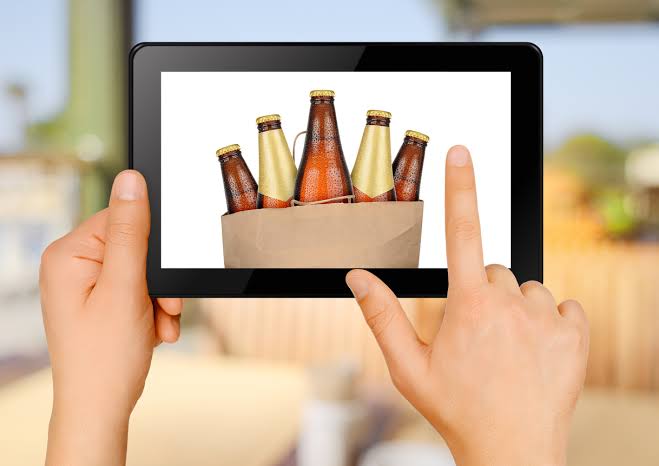
Selling clothes, electronics or groceries online can often begin with a website, payment gateway and courier arrangement. Alcohol is different. A business cannot simply add whisky, beer or wine to an online catalogue and start delivering bottles because customers are willing to place orders.
Selling alcohol online can be legal in India only where the applicable State or Union Territory excise framework permits it and the seller has the required licence, permission or authorisation. There is no general all-India licence that allows an ordinary business to sell and deliver alcohol online throughout the country.
In some States, authorised online ordering or home delivery is available. In others, the activity may be restricted, unavailable or permitted only through specified licensees and systems.
Why Are Alcohol Laws Different Across India?
The Constitution gives States substantial authority over intoxicating liquor.
Entry 8 of the State List covers matters including the:
- Production;
- Manufacture;
- Possession;
- Transport;
- Purchase; and
- Sale
of intoxicating liquor.
As a result, liquor regulation is largely handled through State excise laws, rules and policies.
This explains why something legally available in one State may be prohibited or heavily restricted in another.
A business planning to sell alcohol online must therefore begin with the excise law of the State in which it proposes to operate.
Can You Start a Website and Sell Alcohol Online?
Not merely by creating a website.
Having:
- A website;
- Mobile application;
- GST registration;
- Company registration;
- Payment gateway; or
- Food business registration
does not by itself authorise liquor sales.
The business must have the excise licence or other permission required under the applicable State framework.
For example, if State law permits only particular categories of licensed retailers to deliver alcohol, an ordinary e-commerce company cannot bypass that requirement by describing itself as an online marketplace.
The underlying liquor transaction must be legally authorised.
Do You Need a Liquor Licence for Online Sales?
Generally, a business involved in the commercial sale of alcohol needs the appropriate authorisation under the applicable State excise law.
The precise licence category varies considerably.
A State may distinguish between:
- Retail liquor shops;
- Wholesale suppliers;
- Bars;
- Restaurants;
- Hotels;
- Clubs;
- Beer and wine outlets;
- Home-delivery operations; and
- Other categories of licensees.
An existing physical liquor licence should also not automatically be assumed to include online delivery.
The licence conditions and current State excise policy must specifically be checked.
Is Home Delivery of Alcohol Legal?
It can be legal where the relevant State expressly permits it.
West Bengal provides a useful example. Its Excise Directorate operates an eRetail system through which registered buyers can place online orders and packaged liquor can be supplied through authorised sellers and delivery arrangements.
This demonstrates an important point:
Online alcohol delivery is not inherently illegal throughout India. It must operate within an authorised State excise system.
The position should be verified separately for every State or Union Territory where delivery is proposed.
Can You Deliver Alcohol Across State Borders?
This creates much greater difficulty.
Alcohol transport between States is controlled by excise laws, permits and duties.
A seller licensed in one State should not assume that it can simply accept an online order from a customer in another State and courier liquor across the border.
Inter-State movement can involve:
- Export permission from the originating State;
- Import permission in the destination State;
- Transport permits or passes;
- Excise duty requirements;
- Quantity restrictions; and
- Destination-State liquor laws.
Ordinary courier logistics do not override excise restrictions.
For an online liquor business, nationwide delivery is therefore fundamentally different from nationwide delivery of ordinary consumer products.
Can Alcohol Be Sold Through Instagram or WhatsApp?
Using social media does not create an exemption.
A person cannot legally operate an unlicensed liquor business merely by accepting orders through:
- Instagram DMs;
- WhatsApp;
- Telegram;
- Facebook;
- Phone calls; or
- Other social-media channels.
If the underlying sale requires an excise licence, changing the method through which the order is received does not remove that requirement.
For example, an individual who purchases bottles from a retail shop and then regularly resells them to customers through Instagram for profit should not assume that this is lawful merely because no dedicated website exists.
Can a Restaurant Deliver Alcohol With Food?
Not automatically.
A restaurant licence permitting alcohol to be served on its premises does not necessarily authorise the restaurant to send sealed bottles to customers’ homes.
The restaurant must examine the exact conditions of its excise licence and the applicable State rules.
Permissions can distinguish between:
- Consumption on licensed premises;
- Off-premises sales;
- Room service;
- Takeaway; and
- Home delivery.
Therefore, a restaurant should not treat its normal bar licence as automatic permission for online alcohol delivery.
Can You Sell Homemade Alcohol Online?
This is particularly risky.
Commercially manufacturing alcohol can itself require licences and regulatory approvals before the question of online selling even arises.
Producing liquor at home and advertising it online can involve violations relating to:
- Unlicensed manufacture;
- Possession;
- Storage;
- Sale;
- Transport; and
- Excise duty.
Selling homemade alcohol without required authorisation can also create serious public-safety concerns.
A person should not assume that small quantities, homemade production or social-media sales are exempt from excise law.
Can You Sell Wine or Beer Online Without a Liquor Licence?
Do not assume that beer or wine is exempt simply because it has a lower alcohol content than spirits.
Beer, wine and other alcoholic beverages remain regulated products.
Some States may have separate licence categories or more liberal policies for particular beverages, but that is a matter of State law.
A seller must verify the applicable classification and licence rather than assuming:
“It is only beer, so no alcohol licence is needed.”
What Is the Minimum Age for Buying Alcohol Online?
There is no single drinking-age rule applicable throughout India.
The lawful age for purchasing or consuming alcohol can vary between States and Union Territories.
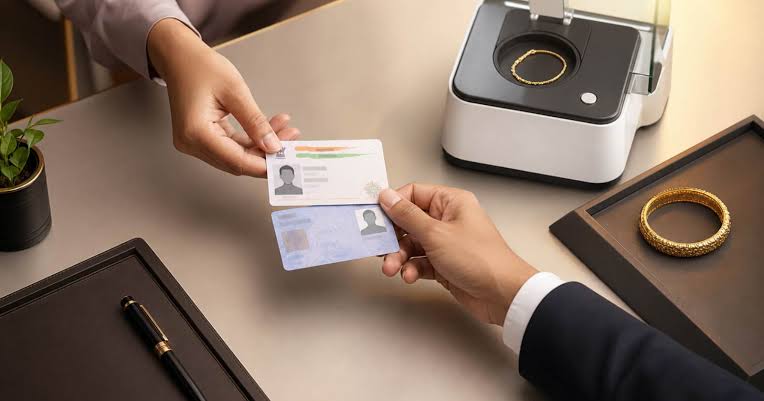
An online seller operating where delivery is permitted must therefore have appropriate age-verification procedures.
Depending on the applicable framework, this may involve:
- Age declaration while ordering;
- Identity verification;
- Verification at delivery; and
- Refusal of delivery where the buyer does not satisfy the legal age requirement.
For example, Delhi’s Excise Department states that licensed vendors must not sell or deliver liquor to a person apparently below 25 years of age.
A delivery model that leaves alcohol with a minor simply because an adult placed the online order can create serious compliance problems.
Can Alcohol Be Delivered on a Dry Day?
Normally, applicable dry-day restrictions must still be followed.
Online ordering does not provide a way around a prohibition on liquor sales or supply.
If retail sale and supply are suspended under the applicable State’s dry-day rules, a seller cannot simply classify the transaction as “online delivery” to continue ordinary sales.
Businesses must therefore configure ordering and delivery systems around applicable excise restrictions.
Can You Advertise Alcohol Online?
Alcohol advertising creates another layer of regulation.
Even a properly licensed seller should not assume that it has unrestricted freedom to advertise alcoholic beverages online.
Depending on the circumstances, advertising can involve excise restrictions and other advertising standards.
Businesses should be particularly careful about:
- Direct liquor advertisements;
- Promotions aimed at minors;
- Misleading surrogate advertising;
- Influencer campaigns;
- Discount promotions; and
- Social-media advertisements.
The legality of selling a product and the legality of advertising it are separate questions.
Does FSSAI Registration Allow You to Sell Alcohol Online?
No.
FSSAI itself has clarified that online sale of liquor and alcoholic beverages falls under State governments and their Excise Departments.
Where an e-commerce food business intends to sell liquor or alcoholic beverages online, FSSAI has directed licensing authorities to require permission or an NOC from the Excise Department of the concerned State or States.
Therefore, an FSSAI licence should not be treated as a substitute for an excise licence.
Similarly, GST registration or company incorporation does not replace State excise permission.
Can an Online Marketplace List Liquor Sellers?
A marketplace model does not automatically escape alcohol regulation.
The legal structure needs to consider questions such as:
- Who legally sells the bottle?
- Who owns the inventory?
- Who receives the customer’s payment?
- Who holds the excise licence?
- Who delivers the liquor?
- Whether the delivery agent requires authorisation;
- How customer age is verified; and
- Whether the State permits the proposed online model.
Calling a technology company an “aggregator” does not automatically remove regulatory obligations if its activities fall within the State’s excise framework.
Can You Ship Alcohol Through an Ordinary Courier?
Do not assume so.
Liquor is not an ordinary commodity for transport purposes.
State laws can regulate possession, import, export and transportation of alcoholic beverages and require permits or passes.
A courier company’s willingness to accept a package is not proof that the shipment complies with excise law.
Secretly describing liquor as another product to avoid courier restrictions can create additional problems rather than making the transaction legal.
What Happens if You Sell Alcohol Online Without a Licence?
The consequences depend on the applicable State excise legislation.
Unlicensed manufacture, possession, sale or transport of liquor can lead to measures such as:
- Seizure of liquor;
- Confiscation;
- Financial penalties;
- Criminal prosecution;
- Closure of operations;
- Action against vehicles used for unlawful transport; and
- Other consequences available under the relevant excise law.
The exact offence and punishment differ between States.
An online business should therefore obtain regulatory clarity before accepting the first order, rather than trying to obtain a licence after authorities intervene.
What Should You Check Before Starting an Online Alcohol Business?
Before investing in an alcohol-delivery website or app:
- Identify every State in which you intend to operate.
- Check that State’s current excise law and policy.
- Determine the correct liquor licence category.
- Confirm whether the licence permits online ordering.
- Confirm whether home delivery is specifically authorised.
- Check rules governing delivery personnel.
- Implement age verification.
- Follow permitted sale and delivery hours.
- Block sales on applicable dry days.
- Check possession and delivery quantity limits.
- Verify pricing requirements.
- Check advertising restrictions.
- Obtain any required FSSAI permission/NOC where applicable.
- Review inter-State import, export and transport restrictions.
- Maintain required sales, inventory and delivery records.
The crucial point is that India does not have one nationwide “online liquor licence.” A lawful business model must be designed around the excise regime of each State or Union Territory where alcohol will actually be sold and delivered.
FAQs
Q1. Can I start an alcohol delivery website in India?
A. Potentially, but only where the relevant State excise framework permits the proposed model and you obtain the required licences or permissions. Creating a website or company does not itself authorise liquor sales.
Q2. Can I sell alcohol through Instagram or WhatsApp?
A. Not without complying with the same excise requirements that apply to the underlying liquor sale. Accepting orders through social media does not exempt a seller from licensing laws.
Q3. Can I buy liquor from a shop and resell it online for profit?
A. You should not assume that a normal retail purchase gives you the right to commercially resell liquor. Commercial sale and distribution are regulated under State excise law and generally require appropriate authorisation.
Q4. Can I deliver alcohol from one State to a customer in another State?
A. Not merely because the order was placed online. Inter-State movement of alcohol can require import, export and transport permissions and compliance with the excise laws of both jurisdictions. A licence in one State does not automatically authorise nationwide delivery.