Water storage tanks are essential in most Indian homes, supplying water for drinking, cooking, bathing, and cleaning. Whether overhead tanks on rooftops or underground sumps, these tanks work silently day and night. However, they also become breeding grounds for algae, bacteria, sediment, and contaminants if not cleaned regularly. Contaminated water can cause serious health issues like gastroenteritis, typhoid, jaundice, and skin problems, especially affecting children and the elderly.
Regular cleaning and maintenance of water tanks is not optional but a critical responsibility for every homeowner. This guide provides a complete, step-by-step approach to cleaning and maintaining overhead and underground water tanks effectively.
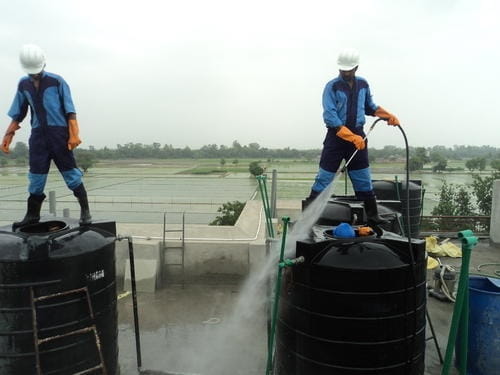
Why Regular Cleaning is Essential
Over time, dust, leaves, bird droppings, algae, and mineral deposits accumulate in tanks. In India’s climate, high temperatures accelerate bacterial growth, while monsoons introduce more contaminants. Stagnant water also promotes mosquito breeding. The Bureau of Indian Standards recommends cleaning domestic water tanks at least twice a year, but many experts suggest quarterly cleaning in urban areas.
Step-by-Step Guide to Cleaning Water Tanks
Preparation (Safety First):
- Switch off the inlet pump and close all valves.
- Use a sturdy ladder and wear protective gear (gloves, mask, gumboots).
- Never enter a tank alone — have someone outside for safety.
- Arrange for an alternative water source during cleaning.
Draining the Tank:
- Open the outlet valve and drain as much water as possible.
- Use a submersible pump for faster draining if available.
- Remove remaining sludge and debris from the bottom using a bucket or wet vacuum.
Cleaning Process:
- Scrub the interior walls and floor thoroughly with a stiff brush and a mild detergent or baking soda solution. Avoid harsh chemicals.
- Pay special attention to corners, joints, and the inlet/outlet areas where sediment collects.
- For stubborn algae and mineral deposits, use a vinegar-water solution or specialized tank cleaning compounds available in the market.
- Rinse the tank multiple times with clean water until no residue remains.
- Disinfect the tank using a chlorine solution (50-100 grams of bleaching powder per 1000 litres capacity). Let it stand for 30 minutes, then flush thoroughly.
Drying and Refilling:
- Allow the tank to air-dry completely for a few hours if possible.
- Close the lid tightly after refilling.
- Run the water for a few minutes through all taps to flush the pipes.
Maintenance Tips for Long-Term Tank Health
- Frequency: Clean overhead tanks every 3–6 months and underground tanks every 6–12 months. Increase frequency in dusty or polluted areas.
- Lid and Vent Protection: Always keep the tank lid tightly closed. Install fine mesh on vents to prevent insects and debris entry.
- Inlet Filters: Install simple mesh filters on inlet pipes to reduce sediment entry.
- Water Level Management: Avoid overfilling or letting tanks run completely dry for long periods.
- Annual Professional Cleaning: For large or hard-to-access tanks, hire professional services that use high-pressure cleaning and proper disinfection.
For Overhead Tanks Specifically:
- Paint the exterior with reflective light colours to reduce internal heating.
- Check supports and structure annually for cracks or rust.
For Underground Sumps:
- Ensure proper sealing to prevent groundwater seepage.
- Install raised platforms or proper covers to avoid surface contamination.
Common Problems and Solutions
- Algae Growth: Reduce sunlight exposure and use food-grade algaecides sparingly.
- Sediment Buildup: Install better inlet filters and clean more frequently.
- Bad Odour or Taste: Thorough disinfection and proper flushing usually resolve this.
- Mosquito Breeding: Ensure tight lids and use mosquito-proof mesh.
Safety Precautions
- Never use strong acids or toxic chemicals inside drinking water tanks.
- Test water quality periodically through local labs if you suspect contamination.
- Ensure proper ventilation when using chlorine-based disinfectants.
- Children and pets should be kept away during cleaning.
Cost and Time Considerations
A typical overhead tank cleaning by homeowners takes 3–5 hours and costs very little. Professional services charge ₹1,500–4,000 per tank depending on size and location. Investing this small amount regularly prevents health issues and major repairs that can cost tens of thousands.
Conclusion
Clean and well-maintained water storage tanks are fundamental to a healthy home. By following a regular cleaning schedule, using proper techniques, and adopting preventive habits, Indian homeowners can ensure safe drinking water and protect their family’s health. The effort invested in tank maintenance is minimal compared to the risks of contaminated water.
Make tank cleaning a part of your seasonal home maintenance routine — before and after monsoon is ideal. With consistent care, your water tanks will continue to provide clean, safe water for years. Prioritize this important task, and your family will benefit from better health and peace of mind every single day.
FAQ
Q1: How often should I clean my overhead water tank?
Every 3–6 months is recommended, with at least two thorough cleanings per year (before and after monsoon).
Q2: Can I clean the tank myself or should I hire professionals?
Small overhead tanks can be cleaned by homeowners with proper precautions. For large or underground tanks, professional services are safer and more effective.
Q3: What is the safest disinfectant for water tanks?
A mild chlorine solution (bleaching powder) is commonly used. Always flush the tank thoroughly after disinfection.
Q4: How do I prevent algae growth in water tanks?
Keep the tank lid tightly closed, reduce direct sunlight exposure by painting the exterior light colours, and clean regularly.
Q5: What are signs that my water tank needs immediate cleaning?
Visible sediment, algae on walls, bad odour/taste, floating particles, or frequent clogging of pipes.
Q6: Is it necessary to empty the tank completely for cleaning?
Yes. Thorough cleaning requires draining the tank completely and removing all sludge from the bottom.
Q7: How can I test the quality of water from my storage tank?
Use home test kits for basic parameters or send samples to a certified laboratory for comprehensive testing.