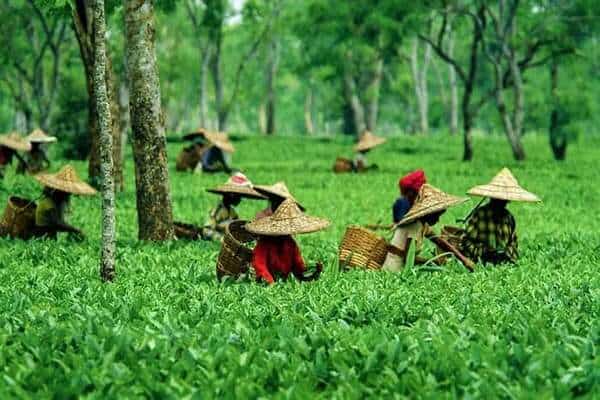
The aroma of freshly brewed coffee tastes even better when you’re surrounded by lush green plantations where the beans are grown. Imagine walking through mist-covered hills, listening to birds chirping, learning how coffee is cultivated, and sipping a freshly brewed cup while enjoying breathtaking mountain views. A coffee plantation holiday is not just about coffee—it’s about slowing down, connecting with nature, and experiencing local culture in a unique way.
India is one of the world’s leading producers of high-quality Arabica and Robusta coffee, with plantations spread across the Western Ghats and the Eastern Hills. Many coffee estates have opened their doors to tourists, offering plantation tours, homestays, coffee tasting sessions, trekking, and wildlife experiences. Whether you’re a coffee enthusiast, photographer, honeymooner, or simply looking for a peaceful getaway, these destinations promise a refreshing travel experience.

Here are the Top 10 Coffee Plantation Destinations in India that every traveller should explore.
Overview Table
| Destination | State | Best Time to Visit | Famous For | Ideal Trip Duration |
|---|---|---|---|---|
| Coorg | Karnataka | October–March | India’s coffee capital | 3–4 Days |
| Chikkamagaluru | Karnataka | September–March | Birthplace of Indian coffee | 3–4 Days |
| Wayanad | Kerala | October–March | Coffee estates and wildlife | 3 Days |
| Araku Valley | Andhra Pradesh | October–February | Organic tribal coffee | 2–3 Days |
| Yercaud | Tamil Nadu | October–March | Hill station coffee plantations | 2–3 Days |
| Sakleshpur | Karnataka | October–March | Plantation stays | 2–3 Days |
| Nilgiri Hills | Tamil Nadu | October–March | Coffee and tea estates | 3 Days |
| Bababudangiri | Karnataka | September–February | Historic coffee region | 2 Days |
| Anamalai Hills | Tamil Nadu | October–March | Scenic plantations and wildlife | 2–3 Days |
| Manjarabad, Hassan | Karnataka | October–March | Coffee estates and heritage attractions | 2 Days |
1. Coorg, Karnataka
Often called the Coffee Capital of India, Coorg is famous for its sprawling coffee estates, cool climate, and scenic landscapes. Almost every corner of the district is covered with lush plantations growing coffee alongside pepper, cardamom, and spices.
Visitors can enjoy:
- Coffee plantation walks
- Estate homestays
- Coffee tasting sessions
- Abbey Falls
- Dubare Elephant Camp
Many plantation owners also explain the complete coffee-making process, from harvesting cherries to roasting beans.
Best Time: October to March
2. Chikkamagaluru, Karnataka
Chikkamagaluru is widely recognised as the birthplace of coffee cultivation in India. Legend says that Baba Budan introduced coffee beans here from Yemen centuries ago.
Popular experiences include:
- Plantation tours
- Mullayanagiri Peak
- Coffee museums
- Trekking
- Estate stays
The peaceful surroundings and fresh mountain air make it a favourite destination for nature lovers.
3. Wayanad, Kerala
Wayanad combines coffee plantations with forests, waterfalls, and wildlife, making it one of Kerala’s most beautiful hill destinations.
Highlights include:
- Coffee estate visits
- Edakkal Caves
- Banasura Sagar Dam
- Wildlife sanctuaries
- Plantation resorts
Many resorts organise guided plantation walks where visitors learn about coffee cultivation and harvesting.
4. Araku Valley, Andhra Pradesh
Araku Valley is famous for producing high-quality organic coffee cultivated by local tribal communities.
Visitors can explore:
- Tribal coffee plantations
- Coffee Museum
- Scenic train journey
- Borra Caves
- Valley viewpoints
The region’s pleasant weather and rich tribal culture make it a unique coffee tourism destination.
5. Yercaud, Tamil Nadu
Located in the Shevaroy Hills, Yercaud is known for its coffee plantations, orange groves, and peaceful atmosphere.
Popular attractions include:
- Plantation tours
- Yercaud Lake
- Lady’s Seat Viewpoint
- Botanical Garden
Its calm environment makes it perfect for a relaxing weekend getaway.
6. Sakleshpur, Karnataka
Sakleshpur is surrounded by rolling hills covered with coffee, pepper, and spice plantations.
Visitors can enjoy:
- Plantation stays
- Trekking
- Waterfalls
- Birdwatching
- Nature photography
Many plantation homestays serve freshly brewed estate coffee throughout the day.
7. Nilgiri Hills, Tamil Nadu
Although the Nilgiris are famous for tea, several regions also cultivate excellent coffee.
Visitors can experience:
- Coffee plantations
- Tea gardens
- Toy train rides
- Scenic viewpoints
- Botanical gardens
The cool climate makes plantation visits comfortable throughout much of the year.
8. Bababudangiri, Karnataka
Bababudangiri holds great historical significance because it is believed to be the place where coffee cultivation began in India.
Highlights include:
- Historic coffee estates
- Mountain trekking
- Scenic viewpoints
- Ancient shrines
The region attracts both history enthusiasts and adventure travellers.
9. Anamalai Hills, Tamil Nadu
The Anamalai Hills offer beautiful coffee plantations surrounded by forests and wildlife.
Visitors can enjoy:
- Plantation tours
- Wildlife spotting
- Nature walks
- Birdwatching
The peaceful environment makes it ideal for travellers seeking relaxation away from crowded tourist destinations.
10. Manjarabad, Hassan
Located near Sakleshpur, the Manjarabad region is surrounded by coffee estates and rolling green hills.
Popular attractions include:
- Coffee plantations
- Manjarabad Fort
- Plantation stays
- Local coffee tasting
The combination of heritage and nature makes it a rewarding short getaway.
Why Visit Coffee Plantations?
Coffee plantation tourism offers much more than beautiful scenery.
Visitors can:
- Learn how coffee is grown and processed.
- Taste freshly brewed estate coffee.
- Stay in charming plantation bungalows.
- Walk through lush green estates.
- Discover local farming traditions.
- Enjoy peaceful mountain landscapes.
- Buy freshly roasted coffee directly from the source.
Many plantations also grow spices such as pepper, cardamom, cinnamon, and cloves, adding to the experience.
Tips for Visiting Coffee Plantations
To make your trip more enjoyable:
- Visit during the morning when the weather is pleasant.
- Wear comfortable walking shoes for plantation trails.
- Carry a light jacket for hill stations.
- Join guided plantation tours to understand coffee cultivation.
- Purchase freshly roasted coffee beans from estate outlets.
- Respect plantation workers and avoid entering restricted areas.
- Carry a camera to capture the scenic landscapes.
If visiting during the harvest season, you may even get the chance to see coffee cherries being hand-picked.
Best Time to Visit Coffee Plantation Destinations
Most coffee-growing regions are enjoyable throughout the year, but October to March offers the most pleasant weather for sightseeing and outdoor activities.
The post-monsoon season is particularly beautiful, as the plantations become lush green and waterfalls flow at their best. Harvesting generally takes place between November and February in many regions, allowing visitors to witness coffee processing activities.
FAQs
Q1. Which is the coffee capital of India?
A. Coorg (Kodagu) in Karnataka is popularly known as the Coffee Capital of India because of its extensive coffee plantations and significant contribution to the country’s coffee production.
Q2. Which place is known as the birthplace of coffee in India?
A. Chikkamagaluru is considered the birthplace of coffee cultivation in India. According to popular history, Baba Budan brought coffee beans from Yemen and planted them in the nearby Bababudangiri Hills.
Q3. Can tourists visit coffee plantations in India?
A. Yes. Many coffee estates in Coorg, Chikkamagaluru, Wayanad, Araku Valley, and Sakleshpur welcome tourists. Visitors can enjoy plantation walks, coffee-tasting sessions, estate stays, and guided tours that explain the journey of coffee from bean to cup.
Q4. What should I carry while visiting a coffee plantation?
A. Carry comfortable walking shoes, light woollen clothing for hill stations, insect repellent, a reusable water bottle, sunscreen, and a camera. If you plan to buy freshly roasted coffee beans or local spices, it’s also a good idea to keep some extra space in your luggage.