Hidden beneath mountains, carved into rocky cliffs, or tucked away inside dense forests, caves are among India’s most fascinating travel destinations. They are not just natural formations but also living museums that preserve ancient history, art, spirituality, and geological wonders. Exploring a cave is like stepping into another world, where every chamber tells a story of nature’s craftsmanship or human civilization that dates back hundreds or even thousands of years.
From the magnificent rock-cut Buddhist caves of Maharashtra to the limestone marvels of Meghalaya and the sacred caves of Jammu & Kashmir, India offers incredible cave experiences for every type of traveller. Whether you’re passionate about history, photography, trekking, or spiritual tourism, these caves promise unforgettable adventures. Many of them are UNESCO World Heritage Sites, while others are famous pilgrimage destinations or natural wonders waiting to be explored.
Here are the Top 10 Caves to Explore in India that should be on every traveller’s bucket list.
Overview Table
| Cave | State/UT | Best Time to Visit | Famous For | Ideal Trip Duration |
|---|---|---|---|---|
| Ajanta Caves | Maharashtra | October–March | Buddhist murals and paintings | 1 Day |
| Ellora Caves | Maharashtra | October–March | Kailasa Temple and rock-cut architecture | 1 Day |
| Amarnath Cave | Jammu & Kashmir | July–August | Sacred ice Shivling | 4–6 Days |
| Borra Caves | Andhra Pradesh | October–March | Limestone formations | 1 Day |
| Elephanta Caves | Maharashtra | November–February | Rock-cut Shiva sculptures | Half Day |
| Badami Caves | Karnataka | October–March | Hindu and Jain cave temples | 1 Day |
| Belum Caves | Andhra Pradesh | October–February | Longest cave system in India | 1 Day |
| Mawsmai Cave | Meghalaya | October–April | Limestone cave adventure | Half Day |
| Udayagiri and Khandagiri Caves | Odisha | October–March | Jain heritage caves | Half Day |
| Araku–Katiki Region Caves | Andhra Pradesh | October–March | Scenic limestone cave exploration | 1–2 Days |
1. Ajanta Caves, Maharashtra
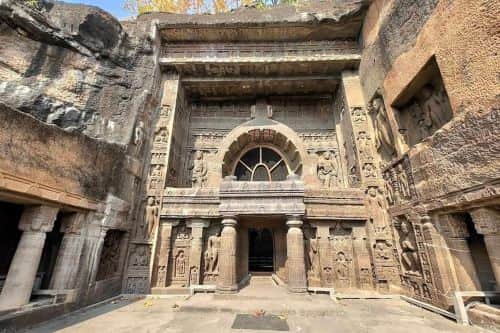
The Ajanta Caves are one of India’s greatest historical treasures and a UNESCO World Heritage Site. Dating back to the 2nd century BCE, these 30 rock-cut Buddhist caves are famous for their beautiful murals, sculptures, and ancient paintings that depict the life of Lord Buddha.
Visitors can explore:
- Ancient monasteries (Viharas)
- Prayer halls (Chaityas)
- Remarkable wall paintings
- Intricate sculptures
- Historic Buddhist architecture
The artistic detail preserved inside these caves continues to amaze historians and tourists alike.
Best Time: October to March
2. Ellora Caves, Maharashtra
Another UNESCO World Heritage Site, Ellora is home to 34 magnificent caves representing Buddhism, Hinduism, and Jainism.
The biggest attraction is the Kailasa Temple, carved entirely from a single rock.
Highlights include:
- Massive rock-cut temples
- Ancient sculptures
- Religious harmony
- Detailed carvings
Ellora is considered one of the finest examples of ancient Indian engineering.
3. Amarnath Cave, Jammu & Kashmir
The Amarnath Cave is one of Hinduism’s holiest pilgrimage sites, famous for its naturally formed ice Shivling.
Every year, thousands of pilgrims undertake the challenging Amarnath Yatra through the Himalayas.
Visitors experience:
- Spiritual significance
- Snow-covered mountains
- Scenic trekking routes
- Himalayan landscapes
Due to weather conditions, the cave is accessible only during the annual pilgrimage season.
4. Borra Caves, Andhra Pradesh
Located in the Ananthagiri Hills near Araku Valley, Borra Caves are among India’s oldest limestone caves.
Visitors can admire:
- Stalactites and stalagmites
- Colourful lighting
- Natural rock formations
- Underground chambers
The cave’s fascinating geological formations have developed over millions of years.
5. Elephanta Caves, Maharashtra
Situated on Elephanta Island near Mumbai, these UNESCO-listed caves are renowned for their magnificent rock-cut sculptures dedicated to Lord Shiva.
Major attractions include:
- Trimurti sculpture
- Ancient carvings
- Cave temples
- Scenic ferry ride from Mumbai
The impressive craftsmanship makes Elephanta one of India’s finest heritage sites.
6. Badami Caves, Karnataka
Carved into red sandstone cliffs, the Badami Cave Temples showcase remarkable examples of early Chalukya architecture.
Visitors can explore:
- Hindu cave temples
- Jain cave
- Ancient sculptures
- Agastya Lake views
The elevated location also offers beautiful panoramic views of Badami town.
7. Belum Caves, Andhra Pradesh
Belum Caves are the longest naturally formed cave system in India, stretching for over 3 kilometres.
Highlights include:
- Underground passages
- Large chambers
- Natural ventilation
- Limestone formations
Well-maintained walkways and lighting make the caves easy to explore.
8. Mawsmai Cave, Meghalaya
Located near Cherrapunji, Mawsmai Cave offers one of India’s most accessible cave adventures.
Visitors can experience:
- Narrow limestone passages
- Beautiful rock formations
- Natural skylights
- Adventure walks
The cave provides an exciting experience without requiring advanced trekking skills.
9. Udayagiri and Khandagiri Caves, Odisha
These ancient caves date back over 2,000 years and are closely associated with Jain monks.
Visitors can explore:
- Historic inscriptions
- Rock-cut chambers
- Ancient sculptures
- Hilltop viewpoints
The site combines history, archaeology, and panoramic views of Bhubaneswar.
10. Araku–Katiki Region Caves, Andhra Pradesh
While visiting Araku Valley, travellers can also explore caves in the surrounding region along with scenic waterfalls and lush forests.
Popular experiences include:
- Limestone cave exploration
- Nature walks
- Photography
- Tribal village visits
The peaceful surroundings make it a rewarding destination for nature enthusiasts.
Why Explore Caves in India?
Cave tourism offers a unique combination of history, adventure, and natural beauty.
Visitors can:
- Discover ancient civilizations.
- Admire incredible rock-cut architecture.
- Explore natural geological formations.
- Learn about India’s religious heritage.
- Enjoy trekking and nature walks.
- Capture unique photographs.
- Experience cool underground environments.
Many caves are located near waterfalls, forts, temples, or hill stations, allowing visitors to combine multiple attractions during one trip.
Tips for Exploring Caves
To ensure a safe and enjoyable visit:
- Wear comfortable shoes with a good grip.
- Carry a flashlight if visiting natural caves with dim sections.
- Follow designated pathways.
- Avoid touching ancient carvings or delicate rock formations.
- Carry drinking water and light snacks.
- Wear light clothing but carry a jacket if visiting cooler cave regions.
- Respect photography restrictions where applicable.
Hiring a local guide can greatly enhance your understanding of the cave’s history and significance.
Best Time to Visit Caves in India
The ideal time for most cave destinations is October to March, when the weather is pleasant for sightseeing and travel.
Natural caves in Meghalaya and other hilly regions are best visited outside the heavy monsoon season, as excessive rainfall may affect accessibility. Pilgrimage caves such as Amarnath are open only during specific months, so travellers should plan their visit according to the official schedule.
FAQs
Q1. Which is the most famous cave in India?
A. The Ajanta Caves are among the most famous caves in India because of their ancient Buddhist paintings, intricate rock-cut architecture, and UNESCO World Heritage status.
Q2. Which is the longest cave in India?
A. Belum Caves in Andhra Pradesh are among India’s longest publicly accessible natural cave systems, extending for more than 3 kilometres and featuring impressive underground passages and limestone formations.
Q3. Are cave destinations suitable for families?
A. Yes. Popular caves such as Ajanta, Ellora, Elephanta, Borra, Belum, and Mawsmai are established tourist attractions with visitor facilities. However, some caves involve steps, narrow passages, low ceilings, or uneven terrain, so accessibility varies and comfortable footwear is recommended.
Q4. What should I carry while exploring caves?
A. Carry comfortable walking shoes, a reusable water bottle, a flashlight for natural caves if required, a lightweight backpack, a camera where photography is permitted, and any personal medicines. Follow site rules and stay on marked paths for a safer and more enjoyable cave exploration experience.