Imagine walking through endless meadows covered with colourful wildflowers, surrounded by snow-capped mountains, fresh mountain air, and the soothing sound of flowing streams. Flower valleys are among the most beautiful natural attractions in India, offering a perfect escape from busy city life. Whether you’re a nature lover, trekker, photographer, or someone looking for a peaceful holiday, these blooming landscapes provide unforgettable experiences that change with every season.
India is home to several stunning flower valleys spread across the Himalayas, Western Ghats, and northeastern states. Some bloom naturally during the monsoon, while others are carefully maintained botanical landscapes. These destinations not only showcase rare and exotic flowers but also support rich biodiversity, making them ideal for eco-tourism and nature exploration.
Here are the Top 10 Flower Valleys to Visit in India that should be on every travel enthusiast’s bucket list.
Overview Table
| Flower Valley | State | Best Time to Visit | Famous For | Ideal Trip Duration |
|---|---|---|---|---|
| Valley of Flowers National Park | Uttarakhand | July–September | UNESCO World Heritage Site | 3–5 Days |
| Yumthang Valley | Sikkim | April–June | Rhododendrons and alpine flowers | 3–4 Days |
| Dzukou Valley | Nagaland & Manipur | June–September | Seasonal wildflowers | 3 Days |
| Kaas Plateau | Maharashtra | August–October | Valley of Flowers of Maharashtra | 2 Days |
| Munnar Blossom Park | Kerala | October–March | Flower gardens and scenic beauty | 2 Days |
| Tulip Garden, Srinagar | Jammu & Kashmir | March–April | Asia’s largest tulip garden | 2–3 Days |
| Singalila National Park | West Bengal | April–May | Rhododendrons and orchids | 3–4 Days |
| Ziro Valley | Arunachal Pradesh | March–May | Wildflowers and scenic landscapes | 3 Days |
| Chopta Meadows | Uttarakhand | April–June | Himalayan alpine flowers | 2–3 Days |
| Sandakphu | West Bengal | April–May | Rhododendron-covered trekking trails | 4–5 Days |
1. Valley of Flowers National Park, Uttarakhand
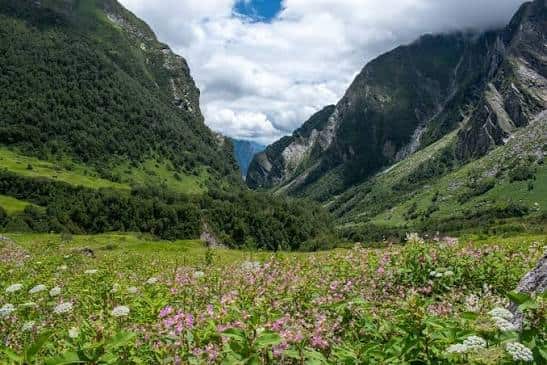
The Valley of Flowers National Park is India’s most famous flower destination and a UNESCO World Heritage Site. Located in the Chamoli district, this breathtaking valley comes alive during the monsoon with more than 500 species of wildflowers.
Visitors can admire:
- Blue poppies
- Himalayan orchids
- Primulas
- Marigolds
- Anemones
The moderate trek to the valley passes through waterfalls, rivers, and stunning Himalayan scenery.
Best Time: July to September
2. Yumthang Valley, Sikkim
Often called the “Valley of Flowers of Sikkim,” Yumthang Valley is famous for its colourful rhododendron blooms.
Highlights include:
- Rhododendron Sanctuary
- Snow-covered peaks
- Hot springs
- Alpine meadows
Spring transforms the valley into a colourful carpet of flowers, making it one of Northeast India’s most scenic destinations.
3. Dzukou Valley, Nagaland & Manipur
Dzukou Valley is one of India’s hidden natural gems, known for its lush green meadows and seasonal flowers.
Visitors can experience:
- Dzukou Lily
- Colourful wildflowers
- Rolling valleys
- Trekking trails
- Camping
Its peaceful environment makes it ideal for nature lovers and photographers.
4. Kaas Plateau, Maharashtra
Recognised as a UNESCO World Natural Heritage Site, Kaas Plateau is often referred to as the “Valley of Flowers of Maharashtra.”
Popular flowers include:
- Smithia
- Utricularia
- Orchids
- Balsams
- Ground orchids
Thousands of seasonal flowers bloom across the plateau after the monsoon.
5. Munnar Blossom Park, Kerala
Located near the famous hill station of Munnar, Blossom Park offers beautifully maintained gardens surrounded by tea plantations.
Visitors can enjoy:
- Seasonal flower displays
- Walking trails
- Boating
- Children’s play area
- Photography
Its peaceful setting makes it perfect for families and couples.
6. Indira Gandhi Memorial Tulip Garden, Srinagar
Asia’s largest tulip garden becomes a spectacular attraction every spring when millions of tulips bloom against the backdrop of the Zabarwan Range.
Highlights include:
- Colourful tulip varieties
- Beautiful landscaping
- Dal Lake views
- Spring flower festival
The garden usually remains open for only a few weeks each year during the blooming season.
7. Singalila National Park, West Bengal
Situated near the Nepal border, Singalila National Park is famous for its forests filled with rhododendrons, magnolias, and orchids.
Visitors can also spot:
- Red Panda
- Himalayan birds
- Scenic trekking routes
- Mountain views
The blooming season transforms the forests into colourful landscapes.
8. Ziro Valley, Arunachal Pradesh
Known for its scenic beauty and rich tribal culture, Ziro Valley also features beautiful seasonal wildflowers spread across its grasslands and hills.
Visitors can enjoy:
- Nature walks
- Flower photography
- Pine forests
- Traditional Apatani villages
The pleasant climate makes it a wonderful destination for peaceful holidays.
9. Chopta Meadows, Uttarakhand
Chopta, often called the “Mini Switzerland of India,” offers beautiful alpine meadows filled with seasonal Himalayan flowers.
Popular experiences include:
- Trekking
- Birdwatching
- Wildflower photography
- Himalayan mountain views
The region is especially colourful during late spring and early summer.
10. Sandakphu, West Bengal
Sandakphu is famous for its high-altitude trekking routes covered with blooming rhododendrons during spring.
Visitors can admire:
- Rhododendron forests
- Himalayan orchids
- Panoramic mountain views
- Colourful trekking trails
On clear days, trekkers can also enjoy views of four of the world’s five highest peaks, including Mount Everest and Kanchenjunga.
Why Visit Flower Valleys?
Flower valleys offer much more than beautiful scenery.
Visitors can:
- Experience rare Himalayan flowers.
- Enjoy peaceful trekking trails.
- Capture stunning landscape photographs.
- Observe butterflies and birds.
- Learn about mountain biodiversity.
- Escape busy city life.
- Enjoy cool and refreshing weather.
Many flower valleys are also located near wildlife sanctuaries, lakes, and hill stations, allowing travellers to combine multiple experiences in one trip.
Tips for Visiting Flower Valleys
To make your visit comfortable and enjoyable:
- Wear comfortable trekking or walking shoes.
- Carry a light raincoat during the monsoon.
- Bring a reusable water bottle and snacks.
- Wear layered clothing, especially in Himalayan regions.
- Carry sunscreen, sunglasses, and a hat.
- Stay on marked trails to protect delicate vegetation.
- Avoid picking flowers or disturbing wildlife.
A good camera or smartphone is highly recommended to capture the vibrant landscapes.
Best Time to Visit Flower Valleys
The blooming season varies depending on the location.
- Valley of Flowers: July to September
- Kaas Plateau: August to October
- Tulip Garden: March to April
- Yumthang Valley: April to June
- Dzukou Valley: June to September
Checking the flowering season before planning your trip ensures you experience the valleys at their most colourful.
FAQs
Q1. Which is the most famous flower valley in India?
A. The Valley of Flowers National Park in Uttarakhand is India’s most famous flower valley and a UNESCO World Heritage Site, known for its breathtaking display of hundreds of Himalayan wildflower species during the monsoon.
Q2. When is the best time to visit flower valleys in India?
A. The ideal time depends on the destination. July to September is best for the Valley of Flowers, August to October for Kaas Plateau, and March to April for the Tulip Garden in Srinagar.
Q3. Which flower valley is best for trekking?
A. The Valley of Flowers National Park, Dzukou Valley, and Sandakphu are excellent choices for travellers who want to combine trekking with spectacular floral landscapes and mountain scenery.
Q4. What should I carry while visiting flower valleys?
A. Carry comfortable trekking shoes, layered clothing, a rain jacket (during the monsoon), sunscreen, sunglasses, a reusable water bottle, snacks, and a camera. Following marked trails and respecting the natural environment helps preserve these beautiful destinations for future visitors.