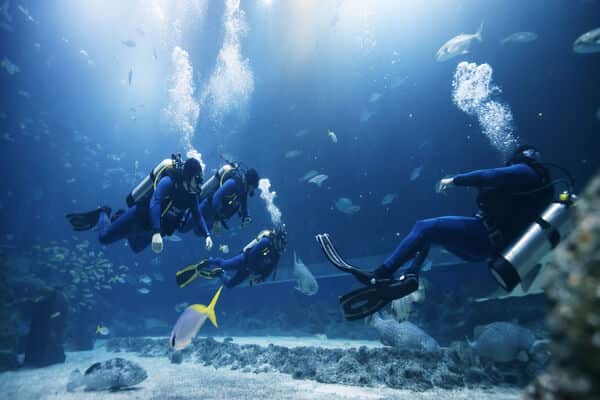
Have you ever wondered what lies beneath the surface of the sea? Colourful coral reefs, playful fish, sea turtles, shipwrecks, and fascinating marine life create an entirely different world underwater. Scuba diving allows you to experience this hidden world up close, making it one of the most exciting adventure activities in India. Whether you’re a complete beginner or a certified diver, exploring the ocean is an unforgettable experience that combines adventure, relaxation, and a deeper appreciation for marine ecosystems.
India’s long coastline and island territories offer some of the best scuba diving spots in Asia. From the crystal-clear waters of the Andaman Islands to the vibrant coral reefs of Lakshadweep and Goa’s underwater shipwrecks, there are diving destinations suitable for every experience level. Most diving centres provide professional instructors, internationally recognised certification courses, and beginner-friendly discovery dives, making scuba diving accessible even if you’ve never tried it before.
Here are the Top 10 Scuba Diving Destinations in India that every adventure lover should explore.
Overview Table
| Destination | State/UT | Best Time to Visit | Famous For | Suitable For |
|---|---|---|---|---|
| Havelock Island (Swaraj Dweep) | Andaman & Nicobar Islands | October–May | Coral reefs and sea turtles | Beginners & Certified Divers |
| Neil Island (Shaheed Dweep) | Andaman & Nicobar Islands | October–May | Crystal-clear visibility | Beginners |
| North Bay Island | Andaman & Nicobar Islands | October–May | Beginner scuba dives | First-Time Divers |
| Bangaram Island | Lakshadweep | October–March | Pristine coral reefs | Beginners & Professionals |
| Kadmat Island | Lakshadweep | October–May | Rich marine biodiversity | Certified Divers |
| Netrani Island | Karnataka | October–May | Clear waters and colourful fish | Intermediate |
| Grand Island | Goa | October–May | Shipwreck diving | Beginners |
| Tarkarli | Maharashtra | October–April | Affordable scuba diving | Beginners |
| Pondicherry | Puducherry | February–June | Artificial reefs and marine life | Certified Divers |
| Kovalam | Kerala | October–March | Calm diving conditions | Beginners |
1. Havelock Island (Swaraj Dweep), Andaman & Nicobar Islands
Havelock Island is widely regarded as the best scuba diving destination in India. Its crystal-clear waters, colourful coral reefs, and abundant marine life attract divers from around the world.
Popular dive sites include:
- Elephant Beach
- Nemo Reef
- Lighthouse
- Aquarium
Divers can spot:
- Sea turtles
- Reef sharks
- Clownfish
- Rays
- Vibrant coral gardens
Professional diving schools also offer internationally recognised certification courses.
Best Time: October to May
2. Neil Island (Shaheed Dweep)
Neil Island is ideal for beginners because of its calm waters and excellent underwater visibility.
Visitors can enjoy:
- Colourful coral reefs
- Tropical fish
- Gentle diving conditions
- Peaceful beaches
Its relaxed atmosphere makes it perfect for first-time divers looking for a comfortable learning experience.
3. North Bay Island, Andaman
Located near Port Blair, North Bay Island is one of the most accessible scuba diving locations in the Andaman Islands.
Highlights include:
- Beginner-friendly dives
- Coral gardens
- Glass-bottom boat rides
- Snorkelling opportunities
Even non-swimmers can often participate in introductory scuba experiences under professional supervision.
4. Bangaram Island, Lakshadweep
Bangaram Island offers one of India’s most pristine diving environments.
Visitors can explore:
- Healthy coral reefs
- Lagoons
- Reef sharks
- Turtles
- Tropical fish
The island’s clear turquoise waters provide exceptional underwater visibility.
5. Kadmat Island, Lakshadweep
Kadmat Island is famous for its extensive coral reefs and diverse marine ecosystem.
Popular marine life includes:
- Butterflyfish
- Angelfish
- Moray eels
- Sea cucumbers
- Coral formations
Certified divers particularly enjoy the island’s deeper dive sites.
6. Netrani Island, Karnataka
Often called Pigeon Island, Netrani is one of South India’s best scuba diving destinations.
Divers frequently encounter:
- Barracudas
- Groupers
- Lionfish
- Coral reefs
- Whale sharks (occasionally, during specific seasons)
The island’s heart-shaped appearance adds to its popularity among travellers.
7. Grand Island, Goa
Grand Island combines Goa’s beach holiday atmosphere with exciting underwater adventures.
Popular attractions include:
- Shipwreck dives
- Reef diving
- Dolphin sightings
- Beginner diving courses
Many operators offer full-day diving packages that include meals and boat transfers.
8. Tarkarli, Maharashtra
Tarkarli has become one of India’s most affordable scuba diving destinations.
Visitors enjoy:
- Clear coastal waters
- Coral patches
- Colourful fish
- Introductory scuba experiences
Its easy accessibility from Mumbai, Pune, and Goa makes it a popular weekend destination.
9. Pondicherry
Pondicherry offers a unique diving experience because of its artificial reefs and diverse underwater ecosystem.
Divers can explore:
- Artificial reef structures
- Shipwrecks
- Soft corals
- Tropical marine life
The destination is particularly popular among certified divers seeking something different from natural reef dives.
10. Kovalam, Kerala
Kovalam is gradually becoming a popular scuba diving destination along India’s southwest coast.
Visitors can experience:
- Calm sea conditions
- Colourful reef fish
- Beginner diving sessions
- Beautiful beaches
It is an excellent option for travellers combining beach holidays with adventure activities.
Why Try Scuba Diving?
Scuba diving offers much more than excitement.
It allows you to:
- Discover marine life up close.
- Explore colourful coral reefs.
- Experience weightlessness underwater.
- Learn about ocean conservation.
- Build confidence by trying something new.
- Create unforgettable travel memories.
For many travellers, their first scuba dive becomes one of the most memorable experiences of their lives.
Tips for First-Time Scuba Divers
Proper preparation helps ensure a safe and enjoyable dive.
- Choose a certified diving centre with experienced instructors.
- Listen carefully to the pre-dive safety briefing.
- Avoid flying for at least 18–24 hours after scuba diving, depending on your dive profile and your instructor’s advice.
- Stay relaxed and breathe normally underwater.
- Never touch coral reefs or marine animals.
- Stay hydrated before and after your dive.
- Carry an underwater camera only if you’re comfortable managing it.
If you’re nervous, start with a shallow introductory dive before progressing to deeper dives.
Best Time for Scuba Diving in India
The ideal season depends on the destination.
- Andaman Islands: October to May
- Lakshadweep: October to March
- Goa: October to May
- Karnataka: October to May
- Kerala: October to March
- Pondicherry: February to June
Avoid the monsoon season in most coastal regions, as rough seas and poor underwater visibility may affect diving conditions.
FAQs
1. Which is the best scuba diving destination in India?
A. Havelock Island (Swaraj Dweep) in the Andaman & Nicobar Islands is widely considered India’s best scuba diving destination because of its crystal-clear waters, vibrant coral reefs, diverse marine life, and internationally certified diving centres.
2. Can beginners try scuba diving in India?
A. Yes. Destinations such as Havelock Island, Neil Island, North Bay Island, Tarkarli, Grand Island, and Kovalam offer beginner-friendly discovery dives conducted by certified instructors. In many cases, even non-swimmers can participate under close supervision.
3. Is scuba diving safe?
A. Scuba diving is generally very safe when conducted through licensed diving operators using proper equipment and following certified instructors’ guidance. Always complete the safety briefing, disclose any medical conditions, and follow all underwater instructions carefully.
4. What should I carry for a scuba diving trip?
A. Carry swimwear, a towel, lightweight clothing, sunscreen, sunglasses, a reusable water bottle, personal toiletries, and an underwater camera if available. Most diving centres provide essential scuba equipment, including wetsuits, masks, fins, air tanks, and buoyancy control devices as part of the diving package.