Lighting is one of the most transformative elements in interior design. It doesn’t just illuminate a space — it influences mood, highlights architectural features, affects productivity, and even impacts health and energy consumption. In Indian homes, where spaces often serve multiple purposes — from family gatherings and festival celebrations to remote work and study — choosing the right lighting becomes particularly important. With frequent power fluctuations, high humidity in many regions, and varying room sizes, a thoughtful lighting plan can make your home more comfortable, functional, and beautiful.
This guide will help you understand how to choose the right lighting for your home, balancing aesthetics, practicality, and efficiency.
Understanding the Three Layers of Lighting
Professional designers use three basic layers of lighting. Incorporating all three creates depth and versatility:
1. Ambient Lighting
This provides overall illumination. In Indian homes, ceiling lights, pendant lights, and wall sconces usually serve this purpose.
Tip: Choose warm white (2700K–3000K) bulbs for a cozy feel in living rooms and bedrooms. Cool white (4000K–5000K) works better in kitchens and study areas.
2. Task Lighting
Focused lighting for specific activities like reading, cooking, or applying makeup.
Examples: Desk lamps, under-cabinet lights in kitchens, mirror lights in bathrooms, and bedside reading lamps.
3. Accent Lighting
Used to highlight artwork, architectural features, or decorative elements. Wall lights, picture lights, and LED strip lights fall into this category.
Key Factors to Consider
1. Room Function and Usage
- Living Room: Combine ambient lighting with accent lights for flexibility during daily use and festive occasions. Dimmable lights are ideal.
- Bedroom: Soft, warm lighting with bedside task lights. Avoid harsh overhead lights.
- Kitchen: Bright task lighting over counters and a good ambient source.
- Bathroom: Mirror lighting and waterproof ceiling lights.
- Study/Home Office: Focused task lighting with minimal glare.
2. Natural Light Availability
Assess how much sunlight your rooms receive. South-facing rooms in India get strong light, while north-facing ones may need more artificial support. Use this to decide on warmer or cooler light tones.
3. Energy Efficiency and Cost
Opt for LED bulbs and fixtures. They consume up to 80% less electricity than traditional bulbs and last much longer. Look for BEE 5-star rated products. While initial costs may be higher, long-term savings on electricity bills are significant.
4. Colour Temperature and CRI
- Warm light (2700K–3000K): Relaxing, suitable for living and bedrooms.
- Neutral white (3500K–4000K): Balanced for most areas.
- Cool white (5000K+): Energizing for kitchens and workspaces. Choose lights with high Colour Rendering Index (CRI 80+) for accurate colour representation.
5. Smart Lighting Options
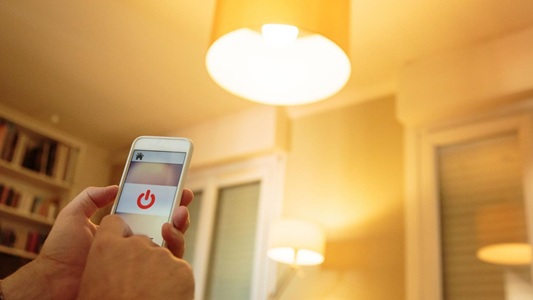
Modern Indian homes are adopting smart lighting systems that can be controlled via apps or voice commands. Dimmable smart bulbs and compatible fixtures offer flexibility for different times of the day and occasions.
Room-wise Lighting Recommendations
Living Room:
A central pendant or chandelier for ambient light, wall sconces for accent, and floor lamps for task lighting. Dimmable options help switch between relaxed evenings and festive gatherings.
Bedroom:
Soft overhead lighting + bedside lamps. Consider motion-sensor night lights for safety.
Kitchen:
Bright under-cabinet lighting for prep areas, a central light, and focused lighting over the sink and stove.
Bathroom:
Waterproof ceiling lights + well-lit mirror area. Avoid harsh shadows.
Common Mistakes to Avoid
- Relying only on one central light source.
- Choosing lights based solely on looks without considering brightness.
- Ignoring dimmers and layered lighting.
- Poor placement causing glare or dark corners.
Budget and Installation Tips
- Start with LED bulbs and basic fixtures for core areas.
- Allocate budget for quality wiring and professional installation.
- Buy during festive sales for better deals on lighting products.
- Consult an interior designer or experienced electrician for complex layouts.
Conclusion
Choosing the right lighting transforms how your home looks and feels. By understanding different lighting layers, considering room functions, prioritizing energy efficiency, and avoiding common mistakes, you can create a well-lit, comfortable, and inviting home suited to Indian lifestyles. Good lighting not only enhances daily living but also supports health, productivity, and the festive spirit that defines Indian homes.
Take time to assess your current lighting, plan layered solutions, and invest in quality products. The effort will pay off every time you switch on the lights. A thoughtfully lit home is warmer, more functional, and truly welcoming.
FAQ
Q1: What is the ideal colour temperature for Indian living rooms?
A: Warm white (2700K–3000K) creates a cozy and inviting atmosphere suitable for Indian homes.
Q2: Should I use smart lighting?
A: Smart lighting is highly recommended for flexibility, energy savings, and convenience, especially in larger homes.
Q3: How many lights do I need in a room?
A: Use the layered approach — ambient, task, and accent. Avoid depending on a single central light.
Q4: Are LED lights better than CFLs?
A: Yes. LEDs are more energy-efficient, longer-lasting, and available in better colour options.
Q5: How do I choose lights for a small apartment?
A: Prioritize bright, layered lighting and use mirrors to amplify light. Light colours on walls also help.
Q6: What is the best lighting for bathrooms?
A: Bright, even lighting around the mirror combined with a waterproof ceiling light.
Q7: How much should I budget for lighting in a new home?
A: Allocate 5–8% of your interior budget for lighting. Quality fixtures and proper installation are worth the investment.