Lighting plays a crucial role in shaping the comfort, aesthetics, and energy efficiency of any home. In India, where electricity costs are rising, summers are intense, and power fluctuations are common, switching to LED lighting has become one of the smartest upgrades a homeowner can make. LED (Light Emitting Diode) bulbs and fixtures have revolutionized residential lighting by offering superior performance compared to traditional incandescent and CFL bulbs. Beyond just illumination, LEDs deliver significant practical advantages tailored to Indian living conditions — from humid coastal homes to dusty northern cities and high-ceiling traditional houses.
This article explores the five major benefits of LED lighting for Indian homes and why making the switch is a wise long-term investment.
1. Substantial Energy Savings and Lower Electricity Bills
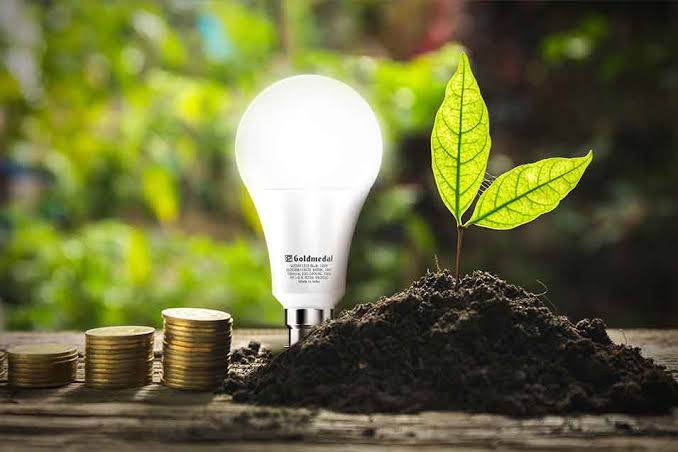
One of the most compelling reasons to adopt LED lighting is its exceptional energy efficiency. LED bulbs consume up to 80-90% less electricity than traditional incandescent bulbs and 50-70% less than CFLs for the same brightness level.
In Indian households, where fans, air conditioners, and lighting run for long hours, this translates into massive savings. A typical family using 20-30 lights daily can reduce their lighting-related electricity consumption dramatically. For example, replacing five 60W incandescent bulbs (used 5 hours daily) with 7W LEDs can save approximately ₹2,000–4,000 per year per household, depending on local tariff rates.
LEDs also perform efficiently during voltage fluctuations common in many parts of India, making them reliable in both urban apartments and rural homes. Over time, the lower running cost quickly recovers the slightly higher initial investment.
2. Exceptionally Long Lifespan and Reduced Maintenance
LED lights last significantly longer than conventional options — typically 15,000 to 50,000 hours compared to 1,000 hours for incandescent bulbs and 8,000–15,000 hours for CFLs. This means an LED bulb can last 10–15 years with average daily use.
For Indian homeowners, this reduces the hassle and cost of frequent replacements, especially in hard-to-reach areas like high ceilings or stairwells. In joint families or large homes, the cumulative savings on bulb purchases and labour for changing bulbs are substantial. Additionally, LEDs generate very little heat, reducing strain on air conditioning systems during hot summers.
3. Superior Light Quality and Eye Comfort
Modern LEDs offer excellent colour rendering and a wide range of colour temperatures (warm white for living rooms, cool white for kitchens). They provide bright, consistent, and flicker-free light that reduces eye strain — particularly important for students and remote workers in Indian homes.
Unlike CFLs, which often produce harsh light and take time to warm up, LEDs deliver instant full brightness. This is beneficial during frequent power cuts followed by restoration. Dimmable LEDs also allow families to create the right ambiance for daily use, festive occasions like Diwali, or quiet evenings.
4. Environmental and Health Benefits
LEDs are far more eco-friendly than older lighting technologies. They contain no mercury (unlike CFLs), have a lower carbon footprint due to reduced energy consumption, and are fully recyclable. For environmentally conscious Indian families, switching to LEDs supports sustainability goals and reduces household contribution to electronic waste.
From a health perspective, good-quality LEDs emit negligible UV radiation and do not produce harmful gases. They also help maintain better indoor air quality by running cooler, which is advantageous in already warm Indian climates.
5. Versatility and Smart Home Integration
LED technology offers unmatched design flexibility. From sleek panel lights and spotlights to decorative string lights and smart bulbs, LEDs fit every interior style — traditional, contemporary, or fusion. They are available in various shapes, sizes, and colour-changing options, making them ideal for festive lighting during Diwali, Eid, or Christmas.
Furthermore, smart LED systems compatible with voice assistants and mobile apps allow remote control, scheduling, and automation. This is particularly useful for working professionals and elderly family members. Motion-sensor LEDs in corridors and bathrooms add convenience and further save energy.
Additional Considerations for Indian Homes
- Initial Investment vs Long-term Gains: While LEDs cost more upfront, the payback period is usually 6–12 months.
- Quality Matters: Always choose BEE 5-star rated LEDs from reputed brands to avoid cheap products that underperform or fail quickly.
- Festive Usage: LEDs are perfect for creating warm, festive atmospheres without spiking electricity bills during celebrations.
- Safety: Lower heat generation reduces fire risks, an important factor in homes with children and wooden furniture.
Conclusion
Switching to LED lighting is one of the simplest yet most impactful upgrades Indian homeowners can make. The combination of energy efficiency, long lifespan, superior light quality, environmental benefits, and design versatility makes LEDs an excellent choice for modern Indian homes. Whether you live in a compact apartment or a spacious independent house, LEDs help reduce monthly bills, lower maintenance efforts, and create a more comfortable living environment.
Start by replacing high-usage bulbs first — ceiling lights, living room fixtures, and kitchen lights. Over time, expand to the entire home. With falling prices and improving technology, there has never been a better time to embrace LED lighting. A well-lit home using efficient LEDs not only saves money but also enhances daily living and contributes to a greener future.
(Word count: 928)
FAQ
Q1: How much can I save by switching to LED lights?
A typical household can save 30–50% on lighting-related electricity costs, often amounting to ₹2,000–6,000 per year depending on usage.
Q2: Are LED lights safe for daily use?
Yes. Quality LEDs emit very little heat, contain no mercury, and are safe for children and elderly family members.
Q3: Which colour temperature is best for Indian homes?
Warm white (2700K–3000K) is ideal for living rooms and bedrooms, while neutral white (4000K) works well in kitchens and study areas.
Q4: Do LEDs work well during power fluctuations?
Most good-quality LEDs are designed to handle voltage fluctuations common in India, but using a stabilizer is recommended for sensitive areas.
Q5: How long do LED bulbs typically last?
A good LED bulb lasts 15,000–50,000 hours, which means 10–15 years of average daily use in Indian homes.
Q6: Can I use LEDs for festive lighting?
Absolutely. LED string lights, fairy lights, and diya-style fixtures are energy-efficient and perfect for Diwali and other festivals.
Q7: What should I look for when buying LED lights?
Choose BEE 5-star rated products from reputed brands. Check for warranty (minimum 1–2 years), CRI value above 80, and proper BIS certification.