In modern Indian homes, we spend nearly 90% of our time indoors. Yet, the air inside our apartments and houses is often more polluted than the air outside. From cooking fumes, dust, volatile organic compounds (VOCs) released by paints and furniture, to mould caused by high humidity during monsoons, indoor air quality has become a silent health concern. Fortunately, one of the simplest and most natural solutions lies right in front of us: indoor plants.
Bringing greenery indoors is not just about aesthetics. Scientific studies and practical experience show that certain plants actively clean the air, regulate humidity, and create a healthier living environment. In a country like India, where urban pollution, congested cities, and sealed apartments are common, indoor plants serve as powerful allies for better respiratory health, reduced stress, and overall well-being.
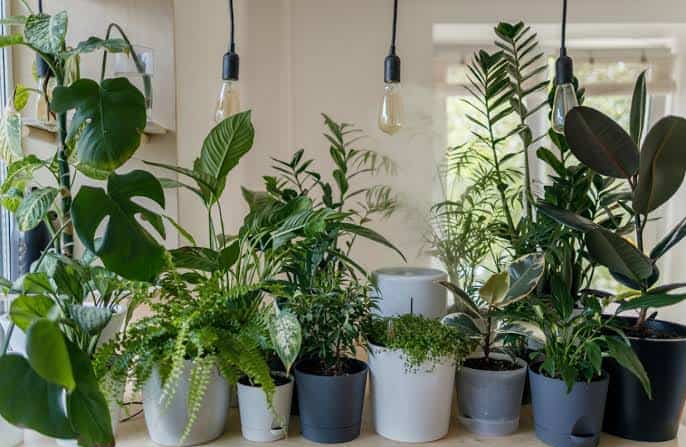
The Problem of Indoor Air Pollution in Indian Homes
Indian homes face unique air quality challenges. Kitchens release smoke and particulate matter during daily cooking. Furniture, paints, and synthetic materials emit formaldehyde and benzene. Monsoons bring high humidity that encourages mould growth. Air conditioners and poor ventilation trap these pollutants inside. According to various studies, indoor air can contain 2–5 times more pollutants than outdoor air.
Common health effects include headaches, fatigue, allergies, respiratory issues, and in severe cases, long-term complications. Children, elderly family members, and those with asthma are particularly vulnerable. This is where indoor plants become more than decorative — they become functional tools for healthier homes.
How Plants Purify Indoor Air
Plants improve air quality through two main processes:
- Photosynthesis and Oxygen Production: During the day, plants absorb carbon dioxide and release oxygen. Some plants, like the Snake Plant, continue this process at night, making them excellent for bedrooms.
- Phytoremediation: Plants absorb harmful VOCs, benzene, formaldehyde, xylene, and ammonia through their leaves and roots. Microorganisms in the soil further break down these toxins.
The famous 1989 NASA Clean Air Study highlighted several plants that effectively remove common indoor pollutants. Many of these plants thrive beautifully in Indian conditions.
Top Air-Purifying Plants for Indian Homes
- Snake Plant (Sansevieria): Releases oxygen at night and removes formaldehyde, benzene, and xylene. Extremely hardy and low-maintenance.
- Money Plant (Pothos): One of the easiest to grow. Excellent at removing formaldehyde and carbon monoxide. Can be grown in water or soil.
- Peace Lily: Removes ammonia, benzene, and trichloroethylene. It also acts as a natural humidifier, useful in dry seasons.
- Areca Palm: A tall, elegant plant that filters large volumes of air and adds humidity. Ideal for living rooms.
- Spider Plant: Fast-growing, produces baby plants easily, and effectively removes carbon monoxide and formaldehyde. Safe around pets.
These plants are readily available in Indian nurseries and online platforms, making them accessible for most budgets.
Additional Benefits Beyond Air Purification
Indoor plants offer multiple advantages that improve quality of life:
- Humidity Regulation: Many plants release moisture, helping combat dry air from air conditioners.
- Stress Reduction: Studies show that having plants indoors lowers cortisol levels and improves mood.
- Noise Reduction: Dense foliage can absorb sound, creating quieter living spaces.
- Aesthetic and Cultural Value: Plants like Tulsi (holy basil) hold spiritual significance in many Indian homes.
Practical Tips for Maximizing Benefits
- Placement Strategy: Put air-purifying plants in high-traffic areas like living rooms and bedrooms. Place larger plants in corners to maximize air circulation.
- Number of Plants: NASA recommends roughly one plant per 100 square feet for noticeable improvement. Start with 4–6 plants and gradually increase.
- Care Routine: Water according to each plant’s needs (avoid overwatering). Use well-draining soil. Fertilize lightly during growing season (March–September).
- Light Requirements: Most air-purifying plants prefer bright indirect light. Position them near windows but protect from harsh afternoon sun.
- Maintenance: Wipe leaves regularly to remove dust. Rotate plants for even growth. Prune dead leaves promptly.
In small apartments, use hanging planters, vertical gardens, or shelves to save floor space while maximizing air-cleaning potential.
Conclusion
Indoor plants are a beautiful, natural, and effective way to improve home air quality in India. By absorbing harmful pollutants, releasing oxygen, and adding humidity, they create healthier living spaces that support the well-being of your entire family. From the resilient Snake Plant to the elegant Areca Palm, these green companions offer multiple benefits that go far beyond decoration.
Start small. Choose 3–5 plants suited to your space and lighting conditions. Over time, you will notice fresher air, better mood, and a more vibrant home. In our increasingly urban and polluted environment, bringing nature indoors is one of the smartest and most rewarding choices you can make for your family’s health and happiness.
A home filled with healthy plants is not just more beautiful — it is measurably healthier. Embrace indoor gardening today and breathe easier tomorrow.
FAQ
Q1: How many indoor plants do I need to improve air quality?
NASA studies suggest one plant per 100 square feet of space for noticeable benefits. Start with 4–6 plants in key areas.
Q2: Which plant is best for bedrooms?
Snake Plant is excellent because it releases oxygen at night. Peace Lily is another good option.
Q3: Are all indoor plants safe for pets?
No. Peace Lily and some others can be toxic if ingested. Choose pet-safe varieties like Spider Plant, Areca Palm, and Snake Plant.
Q4: How often should I water indoor plants?
It depends on the plant and season. Generally, water when the top 1–2 inches of soil feels dry. Avoid overwatering.
Q5: Can indoor plants replace air purifiers?
Plants complement air purifiers but do not fully replace them in highly polluted areas. Use both for best results.
Q6: What is the easiest indoor plant for beginners?
Money Plant and Snake Plant are the most forgiving and easiest to care for in Indian conditions.
Q7: Do indoor plants really reduce stress?
Yes. Multiple studies show that having plants indoors lowers cortisol levels and improves mood and concentration.