Modern bathroom design places equal importance on comfot, hygiene and aesthetics. Among essential fixtures, the western commode plays a central role in daily use and overall bathroom functionality. With evolving design preferences, homeowners often choose between one-piece and two-piece configurations based on space, maintenance and visual appeal. A single-piece commode offers a seamless look, while two-piece designs focus on practicality and flexibility. Understanding their structural differences helps select a suitable option that aligns with the bathroom layout and long-term usage requirements.
Understanding Western Commode Designs
A western commode is designed for seated use, offering improved comfort and hygiene compared to traditional alternatives. It is available in multiple styles, with one-piece and two-piece designs being the most commonly used in residential bathrooms.
These designs differ mainly in structure and installation method. While both serve the same functional purpose, their maintenance requirements, appearance and installation processes vary significantly. Choosing between them depends on bathroom size, design preference and long-term convenience.
What is a One-Piece Commode?
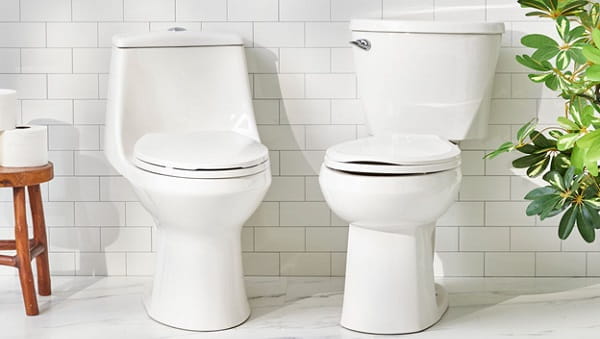
A single piece commode integrates the tank and bowl into a single seamless unit. This unified structure eliminates joints, offering a cleaner appearance and easier maintenance.
Key Features
- Seamless integrated design
- Fewer joints reduce leakage risks
- Easier cleaning due to smooth surfaces
- Modern and compact appearance
This type of western commode is widely preferred in contemporary bathrooms where aesthetics and hygiene are priorities. Its compact structure also makes it suitable for medium to small bathrooms, where space efficiency is important.
What is a Two-Piece Commode?
A two-piece western commode consists of a separate tank and bowl that are joined during installation. This design is widely used due to its practicality and ease of maintenance.
Key Features
- Separate tank and bowl structure
- Easier replacement of individual parts
- Generally more affordable
- Widely available in multiple designs
Two-piece commodes are suitable for users who prioritise functionality and repair flexibility. They are installed in both residential and commercial bathrooms due to their simple structure and cost-effectiveness.
One-Piece vs Two-Piece Western Commode
Choosing between a one-piece and two-piece western commode depends on how you balance design preference, ease of maintenance, and overall budget.
| Feature | One-Piece Commode | Two-Piece Commode |
| Design | Seamless and compact | Segmented structure |
| Cleaning | Easier due to fewer joints | Requires more effort |
| Maintenance | Limited repair flexibility | Individual parts can be replaced |
| Installation | Heavier and simpler setup | Requires assembly during installation |
| Aesthetic | Modern and premium look | Traditional appearance |
| Cost | Generally higher | More budget-friendly |
Both types of Western commodes serve different needs. One-piece designs focus on aesthetics and hygiene, while two-piece models offer practicality. Premium brands like Simpolo Tiles & Bathware offer thoughtfully designed one-piece and two-piece commodes to suit different bathroom needs and user preferences.
Material and Build Quality Considerations
Material quality is an important factor in determining the durability of a western commode. Vitreous china is the most commonly used material due to its strength, glossy finish and resistance to stains and moisture.
High-quality glazing enhances surface smoothness, making cleaning easier and reducing bacterial buildup. A well-finished commode ensures long-term durability and maintains hygiene standards in daily use.
Modern manufacturing techniques also improve structural strength, ensuring both one-piece and two-piece designs perform reliably over time.
Space and Bathroom Layout Considerations
Bathroom size and layout play an important role in selecting between one-piece and two-piece designs. A single-piece commode is often preferred in compact or modern bathrooms for its streamlined design and minimal visual clutter.
Two-piece designs are more flexible in terms of installation and can be easier to fit into varied layouts. Proper spacing around the unit ensures comfortable usage and ease of cleaning.
In smaller bathrooms, space-saving planning becomes essential, while larger bathrooms allow more flexibility in design selection.
Maintenance and Practical Usage
Maintenance requirements vary between one-piece and two-piece western commode designs. One-piece models are easier to clean due to their seamless construction, which reduces dirt accumulation at joints.
Two-piece models offer easier repair options since individual components can be replaced without changing the entire unit. This makes them more practical for long-term maintenance in certain usage scenarios.
Regular cleaning with mild agents helps maintain surface quality and ensures long-lasting hygiene for both designs.
Choosing the Right Commode for Your Bathroom
Selecting the right western commode depends on usage needs, budget and design preference.
- Choose a single-piece commode for a modern, seamless look and easier cleaning.
- Opt for a two-piece design for flexibility and cost efficiency.
- Consider bathroom size before final selection.
- Evaluate maintenance and repair convenience.
Conclusion
Both one-piece and two-piece western commodes offer distinct advantages depending on user requirements. While single-piece designs focus on seamless aesthetics and easy maintenance, two-piece models prioritise practicality and flexibility. Understanding their differences helps make an informed decision aligned with bathroom space, usage patterns, and design preferences, ensuring long-term comfort and functionality.