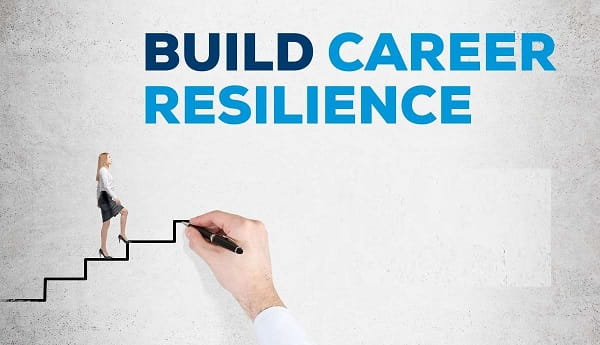
The world of work is changing faster than ever. Artificial intelligence, automation, digital transformation, and remote work are reshaping industries across the globe. While technical skills remain important, many experts believe that the most valuable skills in the future will be uniquely human abilities that technology cannot easily replace.
As machines become better at performing repetitive and data-driven tasks, professionals who develop strong human skills will have a significant advantage in the job market. These skills help individuals adapt to change, work effectively with others, solve complex problems, and lead organizations through uncertainty.
If you want to future-proof your career and remain relevant in the years ahead, here are the top human skills you should focus on developing.
1. Emotional Intelligence
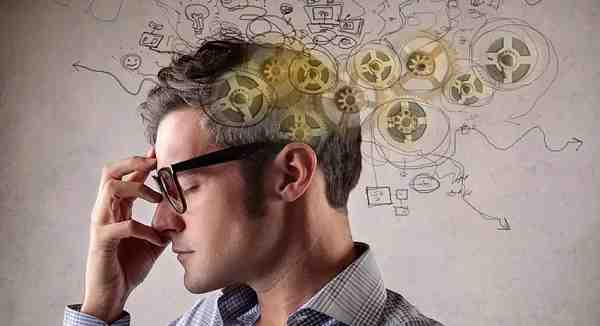
Emotional intelligence, often called EQ, is the ability to understand, manage, and express emotions effectively while also recognizing the emotions of others.
People with high emotional intelligence can:
- Build strong relationships
- Handle workplace conflicts professionally
- Communicate with empathy
- Work effectively in teams
- Manage stress and pressure
As automation takes over technical and routine tasks, emotional intelligence will become increasingly valuable because human relationships remain at the heart of every successful organization.
How to Improve Emotional Intelligence
- Practice active listening
- Pay attention to non-verbal communication
- Develop self-awareness
- Learn to manage emotional reactions
- Show empathy toward colleagues and clients
2. Critical Thinking
In a world filled with information, critical thinking helps people evaluate facts, identify biases, and make informed decisions.
Instead of accepting information at face value, critical thinkers ask questions, analyze situations, and consider multiple perspectives before reaching conclusions.
Employers value critical thinking because it enables professionals to:
- Solve complex problems
- Make better decisions
- Reduce costly mistakes
- Adapt to unexpected challenges
How to Strengthen Critical Thinking
- Question assumptions
- Analyze data carefully
- Explore different viewpoints
- Practice problem-solving exercises
- Reflect on decision outcomes
3. Adaptability and Flexibility
Technology and business trends are evolving rapidly. The ability to adapt to new situations is one of the most important career skills of the future.
Professionals who embrace change rather than resist it are more likely to succeed when industries evolve.
Adaptable employees can:
- Learn new technologies quickly
- Adjust to changing job requirements
- Thrive in uncertain environments
- Stay productive during transitions
Ways to Become More Adaptable
- Stay open to feedback
- Learn continuously
- Accept change as a normal part of growth
- Experiment with new tools and methods
- Develop a growth mindset
4. Communication Skills
Clear and effective communication remains essential regardless of industry or profession.
Even the most talented professionals can struggle if they cannot explain ideas, collaborate with teams, or present information effectively.
Strong communication includes:
- Speaking clearly
- Writing professionally
- Active listening
- Public speaking
- Digital communication
In remote and hybrid work environments, communication skills have become even more important because teams often collaborate across different locations and time zones.
Tips for Better Communication
- Listen before responding
- Keep messages clear and concise
- Improve presentation skills
- Practice public speaking
- Tailor communication to your audience
5. Creativity and Innovation
Creativity is no longer limited to artists and designers. Businesses in every industry need innovative thinkers who can develop new ideas, products, and solutions.
While AI can generate content and analyze data, human creativity remains essential for original thinking, strategic innovation, and breakthrough ideas.
Creative professionals help organizations:
- Solve unique challenges
- Improve processes
- Develop new products
- Discover business opportunities
How to Enhance Creativity
- Explore different industries
- Read widely
- Brainstorm regularly
- Embrace curiosity
- Learn from diverse experiences
6. Leadership and Influence
Leadership is not limited to managers or executives. Every professional can benefit from leadership skills.
Modern organizations value individuals who can inspire others, take initiative, and drive positive change.
Effective leaders:
- Motivate teams
- Build trust
- Manage conflicts
- Make sound decisions
- Guide others through uncertainty
Even if you are not currently in a leadership position, developing these skills can accelerate career growth and open new opportunities.
Ways to Build Leadership Skills
- Volunteer for responsibilities
- Mentor colleagues
- Take initiative on projects
- Develop decision-making abilities
- Learn conflict-resolution techniques
7. Collaboration and Teamwork
Today’s workplace depends heavily on collaboration. Projects often involve people from different departments, cultures, and professional backgrounds.
Successful collaboration requires:
- Respect for diverse perspectives
- Open communication
- Shared accountability
- Conflict management
- Cooperation toward common goals
As workplaces become more interconnected, teamwork skills will continue to grow in importance.
Improving Collaboration Skills
- Be open to feedback
- Support team goals
- Share knowledge freely
- Respect differing opinions
- Build trust through reliability
8. Lifelong Learning
One of the most powerful ways to future-proof your career is to commit to continuous learning.
The skills needed today may not be enough tomorrow. Professionals who consistently update their knowledge remain competitive and adaptable.
Lifelong learners are more likely to:
- Stay relevant in changing industries
- Discover new career opportunities
- Adapt to technological advancements
- Maintain professional confidence
Ways to Practice Lifelong Learning
- Take online courses
- Read industry publications
- Attend workshops and seminars
- Learn new technologies
- Seek mentorship and coaching
Why Human Skills Matter More Than Ever
As artificial intelligence and automation continue to transform workplaces, technical skills alone may not guarantee long-term success. Technology can process information, automate tasks, and improve efficiency, but it cannot fully replace human judgment, empathy, creativity, leadership, and relationship-building.
Organizations increasingly seek professionals who can combine technical expertise with strong human capabilities. These skills enable individuals to navigate uncertainty, build meaningful connections, and contribute unique value that machines cannot replicate.
Final Thoughts
Future-proofing your career is not about predicting every technological change. It is about developing the human skills that remain valuable regardless of how industries evolve. Emotional intelligence, critical thinking, adaptability, communication, creativity, leadership, collaboration, and lifelong learning are among the most important abilities professionals can cultivate today.
By investing in these skills now, you can strengthen your career resilience, improve your professional opportunities, and remain relevant in an increasingly automated world. The future belongs not only to those who understand technology but also to those who master the human qualities that technology cannot replace.