Borewells have become the primary source of water for millions of Indian households, especially in urban and semi-urban areas facing unreliable municipal supply. While borewells provide a lifeline during water shortages, they are also prone to various technical, geological, and environmental problems. Ignoring early warning signs can lead to complete failure, expensive re-drilling, and acute water crises. Understanding common borewell problems and their solutions is essential for every homeowner relying on groundwater.
This article covers the most frequent borewell issues faced by Indian families and provides practical, actionable solutions.
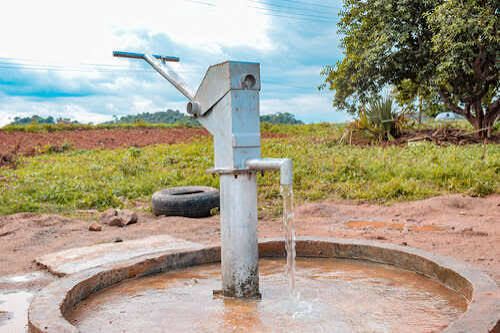
1. Reduced Water Yield or Drying Borewell
Cause:
Over-extraction, falling groundwater levels, seasonal variations, or silt accumulation at the bottom are the main reasons. In many parts of India, excessive borewell drilling in a locality has led to rapid depletion of aquifers.
Signs:
Water flow decreases gradually, pumps run longer but deliver less water, or the borewell runs dry during peak summer.
Solutions:
- Install a lower-capacity pump or variable frequency drive (VFD) to reduce strain.
- Recharge the borewell using rainwater harvesting structures like percolation pits or injection wells.
- Deepen the borewell (if feasible and permitted) or drill a new one at a scientifically selected location.
- Use rainwater or treated wastewater to artificially recharge the aquifer around the borewell.
2. High TDS (Total Dissolved Solids) and Contamination
Cause:
Geological formations, seawater intrusion in coastal areas, industrial pollution, or agricultural runoff introduce excess minerals, salts, fluoride, or nitrates.
Signs:
Bitter or salty taste, white scaling in kettles, skin and hair problems, or frequent appliance failure (geysers, RO systems).
Solutions:
- Install a suitable water treatment system — RO for high TDS, iron filters, or water softeners.
- Conduct regular water testing (every 6–12 months) through certified labs.
- Construct proper recharge structures with sand and carbon filters to improve incoming water quality.
- In severe cases, switch to a new borewell location after geophysical survey.
3. Pump and Motor Failures
Cause:
Voltage fluctuations, dry running, silt entering the pump, or worn-out components are common in India due to unstable power supply.
Signs:
Pump makes unusual noise, trips frequently, overheats, or fails to lift water.
Solutions:
- Install a good quality starter with overload and dry-run protection.
- Use servo stabilizers or UPS for consistent voltage.
- Schedule annual pump servicing and cleaning.
- Install silt filters or foot valves with strainers at the bottom.
4. Borewell Blockage or Collapse
Cause:
Accumulation of sand, silt, or clay at the bottom, or structural failure of the casing pipe due to poor installation or geological shifts.
Signs:
Sudden drop in water output, frequent pump choking, or complete failure.
Solutions:
- Use air compressor or hydro-jetting for cleaning blocked borewells.
- In severe cases, rehabilitation by removing silt and installing new casing pipes.
- Always use proper PVC or MS casing during initial drilling and follow BIS standards.
5. Legal and Environmental Issues
Many borewells in India operate without proper permissions, leading to legal complications and over-exploitation.
Solution:
- Register your borewell with the Central Ground Water Board (CGWB) or state authority.
- Follow rainwater harvesting mandates in your city.
- Participate in community-level aquifer management initiatives.
Preventive Maintenance Tips
- Monitor water levels regularly using a dip meter.
- Avoid over-pumping — install automatic cut-off systems.
- Plant water-efficient trees and maintain green cover around the borewell.
- Keep detailed records of yield, water quality tests, and maintenance history.
- Budget for annual servicing and occasional rehabilitation.
Cost Considerations
- Minor pump repairs: ₹3,000–12,000
- Borewell cleaning/rehabilitation: ₹15,000–60,000
- New borewell drilling: ₹50,000–2.5 lakhs+ depending on depth and location.
Investing in preventive maintenance is far cheaper than emergency solutions during summer crises.
Conclusion
Borewells are valuable but vulnerable assets. By understanding common problems like yield reduction, contamination, pump failures, and blockages, Indian homeowners can take timely action and extend the life of their borewell significantly. Regular monitoring, proper maintenance, rainwater recharge, and adherence to legal requirements are the keys to sustainable groundwater use.
Don’t wait for your borewell to fail completely. Create a maintenance schedule, test your water periodically, and adopt recharge techniques. Responsible borewell management not only ensures uninterrupted water supply for your family but also contributes to the larger goal of water conservation in India.
A well-maintained borewell is an investment in your family’s future security and comfort.
FAQ
Q1: How often should I service my borewell pump?
At least once a year, preferably before summer. In high-usage homes, service every 6 months.
Q2: What causes sudden drying of borewell in summer?
Over-extraction, lowered water table, or silt accumulation at the bottom are the usual reasons.
Q3: How can I improve borewell yield naturally?
Implement rainwater harvesting and recharge pits around the borewell to replenish the aquifer.
Q4: Is high TDS water harmful?
Yes. Long-term consumption of very high TDS water can cause kidney issues and digestive problems. Use proper treatment systems.
Q5: Can borewell water be used directly for drinking?
Not recommended without testing and treatment. Most borewell water requires RO or other purification.
Q6: What is the average lifespan of a borewell?
A properly constructed and maintained borewell can last 15–30 years, though yield may decrease over time.
Q7: Should I get a geophysical survey before drilling a new borewell?
Yes. It significantly increases the chances of getting good yield and avoids unnecessary expenditure on dry bores.