A Bachelor of Computer Applications (BCA) degree is an excellent stepping stone into the world of software development. In 2026, Full-Stack Development stands out as one of the most practical, high-demand, and rewarding career paths for BCA graduates. Unlike specialized roles that focus on either front-end or back-end, Full-Stack Developers can build complete web applications — handling everything from user interfaces to server logic and databases. This versatility makes them highly valuable to startups, product companies, IT services firms, and enterprises.
BCA graduates typically start with salaries between ₹5–12 LPA in Full-Stack roles. With experience, strong projects, and continuous upskilling, many professionals reach ₹18–40+ LPA within 4–6 years, and senior Full-Stack Architects or Tech Leads can earn ₹50 LPA and above. This ultimate guide explores the best career options, required skills, salary prospects, preparation strategies, and future outlook for Full-Stack Development after BCA.
Why Full-Stack Development is Ideal After BCA
BCA programs already cover programming fundamentals, web technologies, databases, and software engineering concepts. This gives graduates a head start compared to non-technical backgrounds. Full-Stack Development allows you to see the complete picture of a product, making you more independent and employable. In a market where companies want faster delivery and fewer handoffs, Full-Stack skills are in high demand.
Top Full-Stack Development Career Options After BCA
1. Junior Full-Stack Developer
Entry-level role in product or service companies.
- Salary Prospects: ₹5–12 LPA starting.
- Key Responsibilities: Building features, integrating APIs, and maintaining applications.
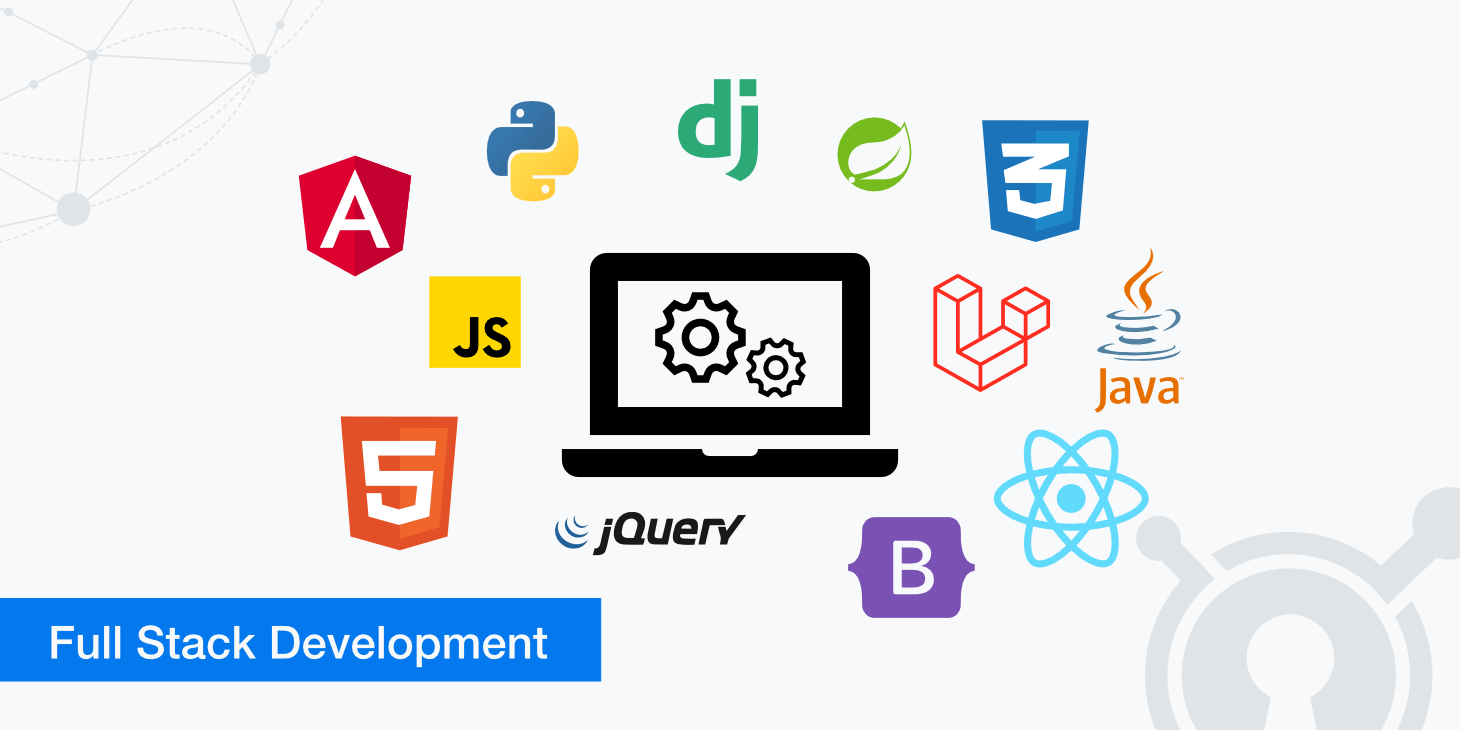
- Tech Stack: MERN (MongoDB, Express, React, Node.js), MEAN, or Java Spring Boot + React.
- Growth Path: Senior Full-Stack Developer → Tech Lead.
2. Front-End Focused Full-Stack Developer
Specialize in user interfaces while handling basic back-end tasks.
- Salary Prospects: ₹6–14 LPA starting.
- Key Skills: React.js, Next.js, Tailwind CSS, and state management.
- Why Popular? Companies prioritize great user experiences.
3. Back-End Focused Full-Stack Developer
Handle server logic, databases, and APIs.
- Salary Prospects: ₹7–15 LPA starting.
- Key Skills: Node.js, Python (Django/Flask), databases, and REST/GraphQL APIs.
- Why Popular? Strong back-end skills are critical for scalable applications.
4. Freelance Full-Stack Developer
Work independently on client projects.
- Earning Potential: ₹50,000–2,00,000+ per month after building a client base.
- How to Start: Create a portfolio website and list services on Upwork, Fiverr, and LinkedIn.
5. Full-Stack Engineer in Startups
Join early-stage companies and wear multiple hats.
- Salary Prospects: ₹8–18 LPA + equity.
- Why Rewarding? Rapid learning, ownership, and potential for significant equity upside.
6. Full-Stack Developer in Product Companies
Work on flagship products at companies like Google, Microsoft, or Indian unicorns.
- Salary Prospects: ₹10–25 LPA starting for strong profiles.
7. Full-Stack Architect / Tech Lead
Design system architecture and lead development teams.
- Salary Prospects: ₹25–55+ LPA.
- Path: 5–8 years of experience + leadership skills.
Essential Skills for Full-Stack Success
- Front-End: HTML, CSS, JavaScript, React/Vue.js, responsive design.
- Back-End: Node.js, Express, Python, databases (MongoDB, PostgreSQL).
- Core Concepts: DSA, REST APIs, authentication, deployment (Docker, AWS).
- Tools: Git, Postman, Jira, CI/CD pipelines.
How to Prepare After BCA
- Build Projects: Create 8–10 full-stack applications (blog, e-commerce, dashboard, chat app).
- Master a Stack: Start with MERN — it is beginner-friendly and in high demand.
- GitHub Portfolio: Maintain a clean, well-documented GitHub profile.
- Internships: Target 2–3 internships during BCA.
- Certifications: FreeCodeCamp, AWS Cloud Practitioner, or Udemy full-stack courses.
- LeetCode & System Design: Practice coding problems daily.
- Freelancing: Start small gigs to gain real client experience.
Job Market Outlook in 2026
The demand for Full-Stack Developers is expected to remain strong due to digital transformation, SaaS growth, and e-commerce expansion. Companies prefer versatile developers who can deliver complete features quickly. Remote and hybrid opportunities are widely available, giving BCA graduates flexibility.
Frequently Asked Questions (FAQ)
Q1: What is the average starting salary after BCA in Full-Stack?
₹5–12 LPA. Candidates with strong portfolios and internships often start above ₹10 LPA.
Q2: Is an MCA necessary for good Full-Stack roles?
No. Skills, projects, and experience matter more than an advanced degree in the tech industry.
Q3: Which tech stack is best for beginners?
MERN stack is highly recommended for its popularity and learning curve.
Q4: How long does it take to become job-ready?
With focused effort, 6–12 months of dedicated practice after BCA is usually sufficient.
Q5: Can I switch to other tech roles later?
Yes. Full-Stack experience provides a strong foundation for DevOps, Data Engineering, or Product Management.
Full-Stack Development is a dynamic, high-reward career path for BCA graduates. It offers creative freedom, continuous learning, and excellent financial growth. In 2026, companies need developers who can think end-to-end and deliver value quickly — exactly what a well-prepared BCA graduate can provide.
Start building projects today, maintain consistency, and focus on solving real problems. Your BCA degree is the perfect beginning. With dedication and smart execution, you can build a successful, fulfilling, and high-paying career as a Full-Stack Developer.