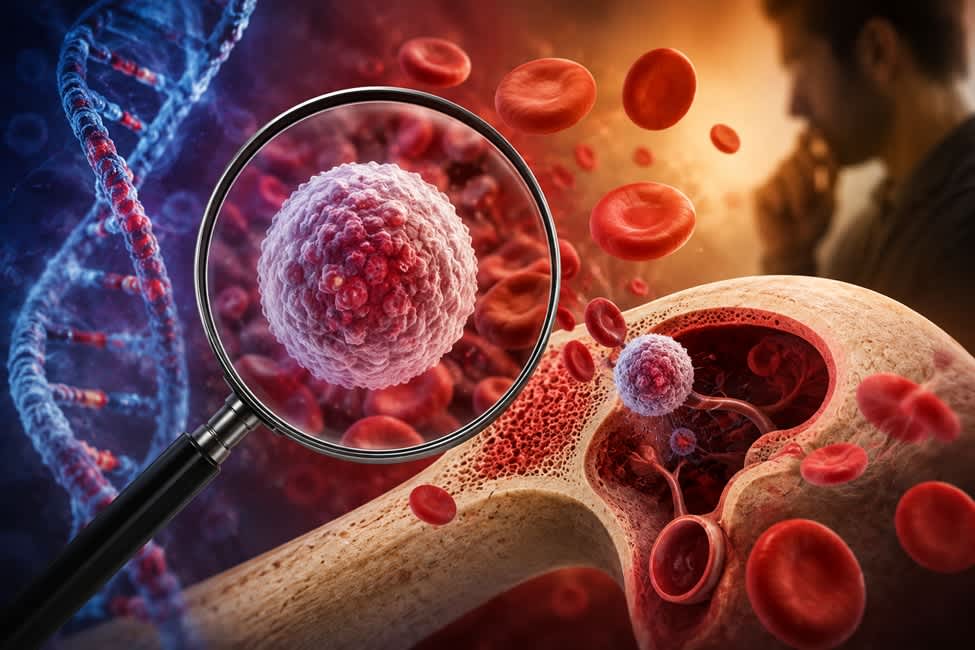
Understanding Blood Cancer and Its Risk Factors
Blood cancer is a broad term covering cancers that affect blood-forming tissues or cells of the immune system. Major categories include leukemia, lymphoma and multiple myeloma, each of which develops and behaves differently. Leukemia generally involves abnormal blood-forming cells, lymphoma develops from lymphocytes in the lymphatic system, and myeloma affects plasma cells.
Certain medical, environmental or genetic factors can increase the likelihood of developing particular blood cancers. However, many people diagnosed with blood cancer have no clearly identifiable risk factor or single underlying cause.
What Increases the Risk of Blood Cancer?
Blood cancers are a diverse group of diseases, so their risk factors are not identical. Increasing age is associated with several forms, while certain blood cancers have associations with previous cancer treatment, significant radiation exposure, particular chemicals, immune-system disorders and inherited conditions. For example, previous chemotherapy or radiation therapy and benzene exposure are recognised risk factors for acute myeloid leukemia (AML).
Having one or more risk factors does not mean that an individual will necessarily develop cancer.
Major Risk Factors to Know
- Age: The risk of several blood cancers increases with age.
- Previous cancer treatment: Certain chemotherapy medicines and radiation treatments can increase the risk of some secondary blood cancers.
- High-level radiation exposure: Significant radiation exposure is associated with an increased risk of particular leukemias.
- Benzene exposure: Long-term or substantial exposure to benzene has been linked particularly with leukemia.
- Weakened immunity: Immune suppression can increase the risk of certain lymphomas.
- Genetic conditions: Some inherited syndromes are associated with an increased risk of specific leukemias.
Can Family History Increase the Risk of Blood Cancer?
Family history can influence the risk of certain blood cancers, but its importance varies considerably by cancer type. For example, family history has been associated with Hodgkin lymphoma and multiple myeloma, although most people with myeloma do not have an affected relative.
A family history that may deserve discussion with a doctor includes:
- A parent or sibling with certain blood cancers
- Several relatives affected by related cancers
- Cancer occurring unusually early within the family
- A known inherited cancer-related syndrome
Having a relative with blood cancer does not mean that another family member will inevitably develop the disease.
What Are the Causes of Blood Cancer?
The exact causes of blood cancer are often difficult to identify. Cancer develops when genetic changes disrupt the normal control of cell growth, survival and division. In blood cancers, these abnormalities can affect blood-forming stem cells, white blood cells, lymphocytes or plasma cells, depending on the disease.
Importantly, not all cancer-associated genetic changes are inherited. Many changes are acquired during a person’s lifetime and occur only within the affected cells. In some forms of leukemia, the exact reason these changes occur remains unknown.
Factors That May Contribute to Blood Cancer
Depending on the specific cancer, contributing factors may include:
- Acquired genetic or chromosomal changes
- Certain environmental or occupational exposures
- Previous chemotherapy or radiation treatment
- Significant radiation exposure
- Changes or suppression of the immune system
- Certain inherited conditions
These factors can alter risk, but their presence does not mean cancer will definitely develop.
What Does NOT Cause Blood Cancer?
Blood cancer should not be attributed to everyday behaviours without scientific evidence. Cancer itself is also not contagious and cannot spread from one person to another through touching, hugging, sharing meals or ordinary social contact.
Common misconceptions to keep in perspective include:
- Blood cancer cannot be transmitted through normal physical contact.
- A single stressful event should not automatically be labelled as its cause.
- An individual food or ordinary dietary choice should not be assumed to directly cause blood cancer without evidence.
- Routine daily activities are not established direct causes.
Some infections can increase the risk of particular cancers, including specific lymphomas, but this is different from the cancer itself being contagious.
Blood Cancer Risk Factors vs Causes: What’s the Difference?
A risk factor is something associated with a greater probability of developing a disease. A direct cause implies a clearer causal relationship. For many blood cancers, doctors can identify factors associated with increased risk without being able to determine precisely why an individual developed cancer.
|
Category |
Examples |
What It Means |
|
Established risk factors |
Age, selected chemotherapy treatments, significant radiation or benzene exposure |
May increase risk for certain blood cancers |
|
Cancer-specific associations |
Family history, immune conditions, particular infections |
Relevant to selected blood cancer types |
|
Not established direct causes |
Ordinary contact, routine daily activities, isolated stressful events |
Should not automatically be blamed for blood cancer |
Even a recognised risk factor cannot predict with certainty who will develop cancer.
Can Blood Cancer Be Prevented?
Many blood cancers cannot currently be reliably prevented because their underlying causes are often unknown or cannot be modified. However, unnecessary exposure to recognised carcinogens can be reduced where possible.
Practical precautions include:
- Following occupational safety procedures around hazardous chemicals
- Minimising unnecessary exposure to known harmful substances
- Following radiation-safety recommendations
- Attending appropriate medical follow-up after previous cancer treatment
- Discussing significant family or personal medical history with a doctor
Healthy living supports overall health, but it should not be presented as a guaranteed method of preventing blood cancer.
When Should You Consult a Blood Cancer Specialist?
Symptoms of blood cancers can overlap with many infections and non-cancerous medical conditions. Persistent or unexplained symptoms, however, should be evaluated rather than ignored.
Consider medical assessment for:
- Persistent unexplained fatigue
- Frequent or recurrent infections
- Unusual bruising or bleeding
- Persistent or unexplained fever
- Enlarged or persistent lymph nodes
- Unexplained weight loss
- Recurrent night sweats
Leukemias and lymphomas can cause symptoms such as fatigue, fever, abnormal bleeding, infections, swollen lymph nodes and unexplained weight loss, although these symptoms alone do not confirm cancer.
Blood Cancer Diagnosis and Treatment
The investigations required depend on the suspected type of blood cancer. Evaluation may include a physical examination, complete blood count and other blood tests, imaging, bone marrow examination and lymph-node or tissue biopsy when appropriate. Molecular or genetic testing of cancer cells may also help establish the diagnosis and guide treatment.
Depending on the diagnosis, treatment may involve:
- Chemotherapy
- Targeted therapy
- Immunotherapy
- Radiation therapy
- Stem cell transplantation
- Combinations of different treatments
Treatment is personalised according to the blood cancer subtype, disease characteristics, overall health and other clinical factors.
Seeking Blood Cancer Care in Mumbai
People with suspected or confirmed blood cancer may benefit from assessment by a multidisciplinary oncology team. Choosing a blood cancer hospital in Mumbai with appropriate expertise can provide access to specialist evaluation, diagnostic investigations, personalised treatment planning and supportive care.
Depending on individual needs, comprehensive care may include:
- Haematology and oncology consultation
- Blood and bone marrow investigations
- Imaging and pathology support
- Individualised treatment planning
- Supportive care during and after treatment
The appropriate investigations and treatment should always be based on the specific diagnosis rather than blood cancer being treated as a single disease.
Why Understanding Blood Cancer Risk Factors Matters
Understanding risk helps distinguish scientifically recognised factors from common misconceptions. While researchers have identified several factors that may influence the risk of particular blood cancers, the causes of blood cancer often cannot be traced to one specific exposure, behaviour or inherited factor.
Anyone concerned about persistent symptoms, previous cancer treatment or significant family history should discuss these issues with a qualified specialist. Evaluation at an experienced blood cancer hospital in Mumbai can help establish an accurate diagnosis and determine the most appropriate next steps in care.